.avif)



Guide to Cleaning and Sanitation in the Food Industry


Cleaning and Sanitation in the Food Industry: The Complete Guide for Food Manufacturers
Cleaning and sanitation is not the most glamorous part of running a food facility. It also happens to be the part that determines whether you ship safe product, pass your next audit, or end up on a recall list. The CDC estimates that 9.9 million Americans get sick from foodborne pathogens every year, and inadequate cleaning is consistently cited in FDA warning letters, SQF non-conformances, and BRCGS audit findings.
This guide covers everything food manufacturers need to build and maintain an effective sanitation program: the difference between cleaning and sanitizing, the 7-step process used across food manufacturing, how to choose the right chemistry for your facility, how sanitation requirements differ across FSMA, SQF, BRCGS, and FSSC 22000, the rising importance of dry sanitation for low-moisture foods, allergen cross-contact cleaning, how to validate that your program is actually working, and a practical SSOP scaffold you can adapt for your facility.
If your food safety management system needs a stronger foundation, sanitation is often the best place to start.
Cleaning vs. Sanitizing vs. Disinfecting: The Definitions That Matter
These three terms are used interchangeably in casual conversation, but in food manufacturing they describe distinct processes with different purposes, targets, and regulatory expectations. Getting the definitions right matters because your SSOPs, chemical selection, and audit records all depend on using them correctly.
What Is Cleaning?
Cleaning is the mechanical and chemical removal of visible soil, food residue, grease, and organic matter from surfaces. It does not kill pathogens and is not intended to. What cleaning does is remove the organic load that would otherwise protect microorganisms from sanitizers, give biofilms a place to establish, and cause the chemical reactions that render sanitizers ineffective.
Cleaning is a prerequisite for sanitation, not an alternative to it. Applying a sanitizer to an uncleaned surface is largely wasted effort. The sanitizer will react with organic soil before it ever reaches the microorganisms living beneath it.
What Is Sanitizing?
Sanitizing is the reduction of microorganisms on a cleaned surface to safe public-health levels. For food-contact surfaces, the EPA registration standard for a sanitizer is a 99.999% (5-log) reduction of specific bacterial populations at labeled concentrations and contact times.
Sanitizing only works after cleaning. Surfaces that are visibly clean but haven't been sanitized still carry microbial populations that are capable of contaminating food. Surfaces that are sanitized but not adequately cleaned first may look fine on paper but fail in practice.
What Is Disinfecting? (And Why It's Different)
Disinfecting achieves a higher kill threshold than sanitizing: typically 99.9999% (6-log reduction). Disinfectants are common in healthcare and non-food-contact environments, such as walls, drains, and restrooms. They are generally not appropriate for food-contact surfaces unless the product is specifically EPA-labeled for food-contact use and includes rinsing instructions.
Using a disinfectant on a food-contact surface without the correct EPA designation and rinse step can introduce chemical hazards into your product.
Quick Reference Comparison
The global baseline definitions for these terms come from the Codex Alimentarius General Principles of Food Hygiene (CXC 1-1969), which underpins food safety frameworks worldwide.
| Process | Kill Threshold | Primary Use | Regulatory Body |
|---|---|---|---|
| Cleaning | No kill; soil removal only | All food-contact and non-food-contact surfaces | GMP requirements (FDA, USDA) |
| Sanitizing | 99.999% (5-log) reduction | Food-contact surfaces after cleaning | EPA (product registration), FDA/USDA (program requirements) |
| Disinfecting | 99.9999% (6-log) reduction | Non-food-contact zones; healthcare settings | EPA (product registration) |
Understanding these distinctions is also important for your Good Manufacturing Practices (GMPs), where cleaning and sanitation requirements are codified as prerequisite programs that must be documented, monitored, and verified.
Why Cleaning and Sanitation Matter in the Food Industry
The short answer is that inadequate sanitation kills people and destroys businesses. The longer answer is that a well-designed sanitation program protects your customers, protects your employees, satisfies your certification bodies, and keeps your facility running.
Pathogens, Foodborne Illness, and Public Health
The CDC attributes 9.9 million illnesses, 56,000 hospitalizations, and 1,300 deaths to foodborne pathogens annually in the United States. Listeria monocytogenes, Salmonella, and E. coli O157:H7 are the most serious recurring threats in food manufacturing environments. These pathogens are persistent, able to survive and multiply at refrigeration temperatures (in the case of Listeria), and capable of establishing biofilms on food-contact surfaces that become progressively harder to eradicate without structural intervention.
High-profile recalls consistently trace back to sanitation breakdowns: inadequate cleaning frequency, biofilm establishment in hard-to-reach equipment areas, or improper sanitizer concentration. The cost of a single Class I recall typically runs into millions of dollars when you factor in product destruction, customer credits, regulatory response, and brand recovery.
Allergen Cross-Contact Prevention
Allergens are not microorganisms. Sanitizing a surface after producing a peanut-containing product does not remove peanut protein, and it does not protect an allergic consumer. The only defense against allergen cross-contact is physical removal through cleaning, combined with verification that the cleaning was effective.
Undeclared allergens are consistently among the top recall drivers in the U.S. market. Facilities that run multiple allergen-containing products on shared lines need allergen-specific cleaning protocols that go well beyond standard sanitation, including verification methods capable of detecting residual protein rather than residual organic matter.
Audit Readiness and Certification
Sanitation records are the most frequently reviewed document set during SQF, BRCGS, and FSSC 22000 audits. Auditors will ask to see your master sanitation schedule, your SSOP documents, your completion records, and your pre-operational verification results. If any of these are incomplete, inconsistent, or unavailable, you are at risk of a non-conformance regardless of how clean your facility actually is.
BRCGS Clause 4.11 is one of the eight Fundamental clauses in Issue 9, meaning a major non-conformance here results in no certification. SQF Element 11.2 and FSSC 22000 ISO/TS 22002-1 Clause 11 require documented procedures, frequency justification, and effectiveness verification. A strong food safety audit outcome starts with a sanitation program that is both effective and well-documented.
Operational and Financial Stakes
Beyond recalls, inadequate sanitation creates day-to-day operational risk: failed pre-operational checks that delay production startups, spoilage events that reduce shelf life, product quality defects traceable to microbial contamination, and customer complaints. Each of these has a direct cost that rarely appears in a line item labeled "sanitation failure" but accumulates in ways that are visible to finance teams.
The cost of a good sanitation program, including appropriate chemistry, training, equipment, and verification tools, is almost always small compared to the cost of operating without one.
Worker Safety
Sanitation chemicals are industrial-grade and can cause serious harm if handled incorrectly. Concentrated caustic cleaners, chlorine compounds, and acid cleaners all require appropriate personal protective equipment (PPE), correct dilution, and safety data sheet (SDS) training. OSHA standards govern chemical storage, labeling, and employee right-to-know requirements. A sanitation program is not complete unless the people executing it understand the chemicals they are using and how to use them safely.
The 7 Steps of Cleaning and Sanitation in Food Manufacturing
The 7-step framework is the operational standard used in dairy, meat and poultry, ready-to-eat, and beverage manufacturing. Some training programs teach a condensed 5-step version that collapses intermediate inspections, but the 7-step process gives your team and your auditors a cleaner record of what happened at each stage. The outcome is the same; the documentation is more defensible.
Note: Some programs teach "5 steps" by combining dry cleaning and pre-rinse, or by folding inspection into the sanitize step. The 7-step version shown here aligns with auditor expectations under SQF Edition 10 and BRCGS Issue 9.
Step 1: Dry Clean and Remove Gross Debris
Before water touches any surface, remove all visible physical residue by sweeping, scraping, or brushing. This step prevents food particles from being dissolved into water and spread across larger surface areas, driven into equipment crevices, or aerosolized in a way that carries pathogens to adjacent areas.
The most common mistake at this stage is hosing first. Using a water hose before dry cleaning dilutes soil, pushes it into seams and joints, creates wet environments that support biofilm growth, and forces you to work harder in every subsequent step.
Step 2: Pre-Rinse
Pre-rinse with warm water, typically between 110 and 125 degrees Fahrenheit, to soften and flush remaining residue from surfaces. The water temperature matters: warmer water loosens fat and grease more effectively, but high-temperature rinsing on high-protein soils (meat, dairy, egg) can bake proteins onto stainless steel surfaces, making them significantly harder to remove.
For protein-heavy production environments, use water at the lower end of the temperature range or specify cool pre-rinse water in your SSOP.
Step 3: Apply Detergent and Cleaner
Apply the appropriate cleaning chemical at the specified concentration, temperature, and contact time, with the agitation needed to penetrate and lift soil. These four variables (concentration, temperature, time, and agitation) are sometimes called the "Sinner's Circle," and they work together: increasing one can compensate for reducing another up to a point.
Match your cleaner to your soil type. Alkaline cleaners (caustic) break down proteins and fats effectively and are the most common choice in general food manufacturing. Acid cleaners remove mineral deposits, milkstone, and beerstone, making them essential for dairy lines and areas with hard water scale. Enzymatic cleaners are used for specific organic residues that standard chemistry does not address efficiently.
The UC Davis factsheet on equipment cleaning and sanitizing in food-processing operations remains one of the most thorough technical references on cleaning chemistry and soil-surface interactions available at no cost.
Step 4: Post-Rinse
Thoroughly rinse all cleaning chemical from surfaces before moving to the sanitize step. Incomplete rinsing leaves detergent residue that reacts with your sanitizer and neutralizes it before it can do its job. In some cases, detergent residue can also create foam that maskes whether the rinse was complete.
Your post-rinse water should be potable. In facilities that use recirculated water, confirm that the rinse water source meets your program's specifications.
Step 5: Inspect Before Sanitizing
A pre-sanitization visual and tactile inspection is a distinct step, not a passing glance. Run your hands along equipment surfaces, look into seams and hinges, check underneath conveyor belts, and verify that the surfaces you are about to sanitize are free of visible soil. Under SQF and BRCGS audits, this step is expected to be documented separately.
The most common failure here is skipping this inspection and discovering soil residue during pre-operational verification after sanitizing, which then requires repeating the full cleaning cycle. Catching contamination at Step 5 costs you five minutes. Catching it at pre-op costs you the production start.
Step 6: Sanitize
Apply an EPA-registered sanitizer at the labeled concentration and contact time. For most food-contact surface applications, the required contact time is 60 seconds at the labeled concentration. Verify the concentration with an appropriate test kit (test strips or a digital meter for chlorine, quaternary ammonium, or peracetic acid, depending on your chemistry).
Know whether your sanitizer requires rinsing before contact with food. No-rinse sanitizers are common for food-contact surfaces at the correct concentration, but some products require a potable water rinse and should not be used without that step. Your HACCP principles framework should specify how sanitation controls interact with your process hazard analysis.
The EPA maintains a registry of registered sanitizers and disinfectants. When you are evaluating a new product, the EPA's list of selected EPA-registered disinfectants is the authoritative source for confirming registration status and labeled use sites.
Step 7: Air Dry and Verify
Allow sanitized surfaces to air dry fully. Wiping surfaces with cloths or towels after sanitizing reintroduces microorganisms and defeats the purpose of the sanitize step. In environments where drain-back is needed, ensure that surfaces are designed to allow drainage without pooling.
After air drying, conduct pre-operational verification. At minimum, this is a visual inspection by a trained supervisor. For food-contact surfaces and high-risk areas, combine visual inspection with ATP bioluminescence testing, and in high-care or high-risk environments, integrate surface microbiological swabbing as part of your environmental monitoring program. See the section on validation for more detail on what pre-op verification should cover.
For retail and foodservice settings, the FMI Cleaning and Sanitation Guide provides a useful complementary reference, though food manufacturers should note that its scope is retail-specific.
For guidance on ATP testing and microbiological methods used in Step 7 verification, see our detailed guide on food safety testing.
Choosing the Right Cleaners and Sanitizers
The chemicals you select depend on the soils you are cleaning, the surfaces you are cleaning them from, and the regulatory requirements that govern your facility. Using the wrong chemistry does not just reduce effectiveness; it can damage equipment, create safety hazards, or leave residues that cause product defects.
Cleaner Categories
Alkaline cleaners (caustic): These are the workhorses of food manufacturing sanitation. They saponify fats, denature proteins, and dissolve organic soil effectively. Sodium hydroxide-based cleaners are used at elevated temperatures in CIP systems and for manual cleaning of heavily soiled equipment. They require careful handling due to their corrosive nature.
Acid cleaners: Used for mineral scale, milkstone, beerstone, and calcium or magnesium deposits that alkaline cleaners cannot remove. In dairy, brewing, and high-hard-water environments, acid cleaners are part of a scheduled rotation rather than an emergency measure. Phosphoric acid, citric acid, and nitric acid are common active ingredients.
Neutral or chlorinated neutral cleaners: Appropriate for light soils and general surface cleaning where strong alkalinity would damage surfaces or affect personnel safety. Chlorinated alkaline cleaners combine some sanitizing action with cleaning in a single product but are not a substitute for a dedicated sanitize step.
Enzymatic cleaners: Targeted for specific organic residues that standard chemistry handles poorly, such as fats, proteins, or starches at specific processing conditions. Enzymatic products act more slowly than chemical cleaners and require adequate dwell time.
Solvents: Used for grease, wax, asphalt, and petroleum-based soils in specific equipment and facility maintenance contexts.
Sanitizer Categories
Chlorine-based (hypochlorite): Sodium hypochlorite (bleach) is broad-spectrum, low-cost, and fast-acting. It is effective against Listeria, Salmonella, and most common food pathogens at the correct concentration (typically 50-200 ppm for food-contact surfaces). Its limitations include corrosivity to stainless steel at high concentrations, pH sensitivity (most effective between pH 6-7), and rapid degradation when it contacts organic matter.
Quaternary ammonium compounds (QACs): Widely used on food-contact surfaces because they are stable, non-corrosive, and leave a residual antimicrobial layer. QACs are effective against a broad range of bacteria and are commonly used in no-rinse applications. Concentration verification is important; under-concentrated QAC is a common cause of sanitization failure.
Peracetic acid (PAA): Broad-spectrum, biodegradable, and effective at cold temperatures, making it a strong choice for refrigerated environments and produce processing. PAA decomposes to acetic acid and water, leaving no chemical residue. It is more aggressive on skin and respiratory tissue than QACs, requiring appropriate PPE.
Iodophors: Common in dairy and beverage applications. Iodine-based sanitizers are effective at low pH and provide a useful color indicator (the amber color fades as iodine is consumed). They can stain surfaces and produce off-flavors at high concentrations.
Hot water and steam: Chemical-free sanitation options that are effective but energy-intensive. Hot water at 171 degrees Fahrenheit or above for 30 seconds achieves the required kill for most food-contact surface applications. Dry steam is increasingly relevant for low-moisture food environments, covered in the dry sanitation section below.
How to Read an EPA-Registered Sanitizer Label
Every sanitizer used on food-contact surfaces in your facility should be EPA-registered. The EPA registration number appears on the label in the format "EPA Reg. No. XXXXX-XXXXX." When evaluating a product, look for:
- The registration number confirming federal approval
- The listed use sites (food-contact surfaces should be explicitly listed)
- The labeled concentration for the specific use site
- The required contact time at that concentration
- Whether a potable water rinse is required before food contact
- The temperature range within which the product is effective
A product labeled for "non-food-contact surfaces" does not meet the requirements for sanitizing conveyor belts, slicers, or any surface that will directly contact food.
Matching Chemistry to Soil and Surface
| Soil Type | Surface Material | Recommended Cleaner | Notes |
|---|---|---|---|
| Protein (meat, dairy, egg) | Stainless steel | Alkaline (caustic) | Pre-rinse with cool water to avoid baking |
| Fat / Grease | Stainless steel | Alkaline (caustic) | Higher temperature improves efficacy |
| Mineral scale / Milkstone | Stainless steel | Acid | Schedule as a rotation, not a recovery treatment |
| Light organic soil | Plastic, rubber | Neutral or chlorinated neutral | Avoid high caustic on softer materials |
| Specific organic residues | Any | Enzymatic | Ensure adequate contact time |
| Petroleum / Grease (equipment) | Metal, concrete | Solvent | Not for food-contact surface use |
Wet Sanitation vs. Dry Sanitation: A 2026 Industry Shift
The food manufacturing industry has largely treated sanitation as a wet-chemistry exercise for decades. That assumption works in many environments, but it is not universally correct, and in low-moisture food production, it creates more problems than it solves.
When Wet Sanitation Is the Right Choice
Wet sanitation is appropriate for high-moisture processing environments: dairy, beverage, ready-to-eat meat and poultry, fresh produce, and similar categories where water-based cleaning is compatible with the facility design and the products being processed.
In these environments, CIP (clean-in-place) systems allow cleaning chemicals and water to circulate through enclosed equipment without disassembly, providing consistent, repeatable results that are easier to validate and document. High-organic-load environments that generate significant visible soil during processing benefit from the physical flushing action that wet sanitation provides.
When Dry Sanitation Is Required
Low-moisture food production is a different environment entirely. Facilities manufacturing flour, peanut butter, dry spice blends, chocolate, cereal, snack foods, and similar products cannot introduce water without creating conditions where Salmonella and Cronobacter can survive and proliferate.
Salmonella is a particularly persistent threat in low-moisture environments. It can survive for months or years in dry conditions, and in the presence of small amounts of water (from cleaning, condensation, or personnel activity), it finds the moisture it needs to grow. The 2008-2009 peanut butter Salmonella outbreak, one of the largest in U.S. history, traced back to water intrusion in a peanut processing facility. In dry environments, water is not the solution to contamination. It is a significant risk factor.
The trade press in 2025 and 2026 has covered this shift extensively. Food Safety Magazine, QA Magazine, and Pet Food Processing have all published on dry sanitation programs for low-moisture foods, and research from the University of Massachusetts and others is advancing the science of antimicrobial systems specifically designed for dry processing environments.
Dry Sanitation Methods
Vacuuming and dry brushing: The foundation of any dry sanitation program. Industrial HEPA-filtered vacuums designed for food manufacturing environments can remove fine powder and allergen-containing dust from equipment surfaces, overhead structures, and hard-to-reach areas without introducing moisture.
Controlled-application alcohol-based sanitizers: Isopropyl or ethyl alcohol-based sanitizers applied in controlled quantities evaporate quickly and do not create the wet conditions that support pathogen growth. They are appropriate for food-contact surfaces in dry environments when used at the correct concentration and allowed to dry fully before production resumes.
Dry steam: Industrial dry steam generators produce steam at temperatures above 150 degrees Celsius with very low water content (typically less than 5% moisture by weight). The high temperature provides pathogen kill without saturating surfaces. Dry steam is particularly effective for equipment crevices and conveyor belt gaps where vacuuming alone cannot reach.
Chlorine dioxide gas: A gaseous sanitizer used for whole-room or whole-facility treatment in low-moisture processing environments. Chlorine dioxide gas penetrates areas that contact sanitation methods cannot reach and does not leave wet residues. It requires facility evacuation during treatment and strict re-entry protocols.
UV-C radiation: Ultraviolet-C light at 254 nm is germicidal and can be used for continuous or periodic surface sanitation in areas where other methods are impractical. Its effectiveness depends on line-of-sight exposure, making it less useful for complex equipment geometry.
Hygienic Zoning to Support Dry Sanitation
A dry sanitation program does not work in isolation. Controlling the moisture boundary between wet and dry zones is essential. This means establishing vestibules or airlocks at wet-to-dry transitions, requiring footwear changes and smock exchanges at zone boundaries, and controlling condensation from HVAC systems, refrigeration units, and personnel traffic.
Equipment used in dry processing zones should not be shared with wet areas without a complete sanitation cycle. Water hoses should not be present in dedicated dry zones. These controls need to be captured in your SSOP and enforced through your hygienic zoning policy.
Allergen Cross-Contact Cleaning
Allergen management sits at the intersection of food safety and labeling compliance. If you produce allergen-containing products on shared equipment or in shared spaces, your cleaning program needs to address allergen cross-contact as a separate discipline, not as a subset of routine sanitation.
Why Allergen Cleaning Is a Distinct Discipline
Sanitizers kill microorganisms. They do not remove proteins. Peanut, milk, egg, wheat, tree nut, and other allergen proteins remain on surfaces after sanitization, because sanitization is not designed or intended to denature and remove them.
Visual cleanliness is also an insufficient indicator of allergen removal. A surface can appear spotless and still carry allergen residues at concentrations capable of triggering a severe reaction in a sensitive individual. Facilities that rely on visual inspection alone for allergen changeover verification are operating without adequate controls and are at risk of undeclared allergen recalls.
Cleaning for Allergen Changeover
An allergen changeover cleaning must achieve complete physical removal of allergen-containing residue from all food-contact surfaces, including areas that are difficult to access: hollow rollers, dead legs in pipework, internal conveyor belt surfaces, seals and gaskets, and overhead structures that can shed dust.
Full teardown of equipment is often required for effective allergen cleaning. Where teardown is not practical due to equipment design, the correct operational approach is to schedule allergen-containing production at the end of a production run, so cleaning can be thorough before returning to allergen-free products. Many facilities also use sequential allergen scheduling, running products with more severe allergen risk (peanut, tree nuts) at the end of the week before a deep weekend clean.
Verifying Allergen Removal
Verification of allergen cleaning requires protein-detection methods, not standard ATP testing. ATP bioluminescence testing detects residual organic matter and correlates with general cleaning effectiveness, but it cannot confirm whether specific allergen proteins have been removed.
Use allergen-specific protein swab tests or ELISA-based allergen test kits to verify changeover cleaning for your target allergens. Establish pass/fail thresholds and document results. If a surface fails allergen verification, re-clean and re-test before resuming allergen-free production.
For more on how allergen controls fit into your overall program, see our guide on critical control point examples.
Regulatory and Standards Framework: What Each Body Requires
This is the section the rest of the SERP is missing. Every GFSI-benchmarked certification scheme requires sanitation programs, but each uses different clause numbering, different verification language, and different audit expectations. If you are maintaining certification under multiple schemes, or preparing for your first audit, you need to know what each body specifically requires.
All three major GFSI-benchmarked schemes (SQF, BRCGS, FSSC 22000) share core sanitation expectations because they are all benchmarked against the same GFSI recognition requirements. The difference is in how rigorously each scheme enforces verification and validation, and what documentation auditors expect to see.
| Framework | Governing Body | Key Sanitation Requirement |
|---|---|---|
| FSMA (Preventive Controls for Human Food) | FDA | 21 CFR Part 117 Subpart C: written sanitation controls, monitoring, corrective action, verification |
| Sanitation Performance Standards | USDA FSIS | 9 CFR Part 416: facility cleanliness, equipment sanitation, written SSOPs, pre-op verification (daily) |
| SQF Food Safety Code | SQFI (GFSI-benchmarked) | Element 11.2: cleaning and sanitation procedures, master schedule, frequency justification, effectiveness verification |
| BRCGS Food Safety Issue 9 | BRCGS (GFSI-benchmarked) | Clause 4.11: Housekeeping and Hygiene (Fundamental clause; major NC = no certification) |
| FSSC 22000 Version 6 | Foundation FSSC (GFSI-benchmarked) | ISO/TS 22002-1 Clause 11: cleaning and disinfecting PRPs; ISO 22000 Clause 8.2 |
FSMA-Specific Sanitation Controls
Under the Food Safety Modernization Act, sanitation is a named preventive control category in the Preventive Controls for Human Food rule (21 CFR Part 117). This means your sanitation controls need written procedures, monitoring records, corrective action protocols, and verification evidence, just like other hazard controls in your food safety plan.
FSMA sets a higher bar than earlier GMP requirements by treating sanitation as a system-level control with documented evidence of effectiveness, not just a set of tasks to be completed. Your food safety plan must reflect this requirement.
USDA FSIS: Sanitation in Meat and Poultry Plants
USDA FSIS oversight under 9 CFR Part 416 is particularly intensive for meat and poultry facilities. FSIS inspectors conduct pre-operational sanitation verification daily, before each production shift begins. Written Sanitation Standard Operating Procedures (SSOPs) must describe all daily cleaning and sanitation procedures for all areas of the establishment. Pre-op inspection results must be documented and records retained.
If pre-operational verification fails, production cannot begin. This is not a paperwork issue; it is an operational constraint that underlines why pre-op verification is a non-negotiable element of any sanitation program in regulated meat and poultry facilities.
SQF: Element 11.2 Cleaning and Sanitation
SQF Edition 10 (the current version) carries forward the cleaning and sanitation requirements from Edition 9 with a sharpened focus on verification effectiveness. Your program must include documented sanitation procedures for each piece of equipment and area, a master sanitation schedule specifying frequency and responsible parties, and records showing that verification was performed and results were acceptable.
The Edition 10 requirements around validation are more explicit than in earlier editions. SQF auditors will increasingly ask not just whether you verify that sanitation was done, but whether you have validated that your chosen method, at your chosen frequency, consistently achieves the required microbial reduction. See our detailed guides on SQF code requirements and the SQF audit checklist for more.
The SQFI Food Safety Code for Food Manufacturing (Edition 10) is available directly from SQFI.
BRCGS Issue 9: Clause 4.11 Housekeeping and Hygiene
Clause 4.11 is one of the eight Fundamental clauses in BRCGS Issue 9. A major non-conformance against a Fundamental clause means no certification, regardless of your performance elsewhere. This single fact makes Clause 4.11 one of the most consequential sections in any BRCGS audit.
The data backs up the attention it receives: Clause 4.11 is historically the most non-conformed clause in BRCGS Issue 9 audits, with more than 7,000 minor non-conformities raised against it in audits worldwide. Requirements include documented cleaning schedules, defined performance limits for verification (specific RLU thresholds for ATP, or specific microbial limits for swabbing), evidence of effective monitoring, and records of corrective action when limits are exceeded.
Your verification program must have defined pass/fail criteria, not just a record that testing was done. Learn more about what BRCGS certification requires in our BRCGS certification guide.
The BRCGS Global Standard for Food Safety Issue 9 is the authoritative source.
FSSC 22000 Version 6: ISO/TS 22002-1 Clause 11
FSSC 22000 Version 6 requires cleaning and disinfecting Prerequisite Programs (PRPs) as specified in ISO/TS 22002-1, Clause 11. Your PRPs must be documented, implemented, and monitored. Validation is required: you must demonstrate that your cleaning and disinfecting procedures are effective at achieving their intended purpose under your operating conditions. ISO 22000 Clause 8.2 covers the broader PRP requirements framework.
Version 6 introduced additional requirements around food safety culture and management commitment that affect how sanitation programs are designed and enforced at the organizational level. See our FSSC 22000 Version 6 guide and the FSSC 22000 Version 6 scheme documents for the full requirements.
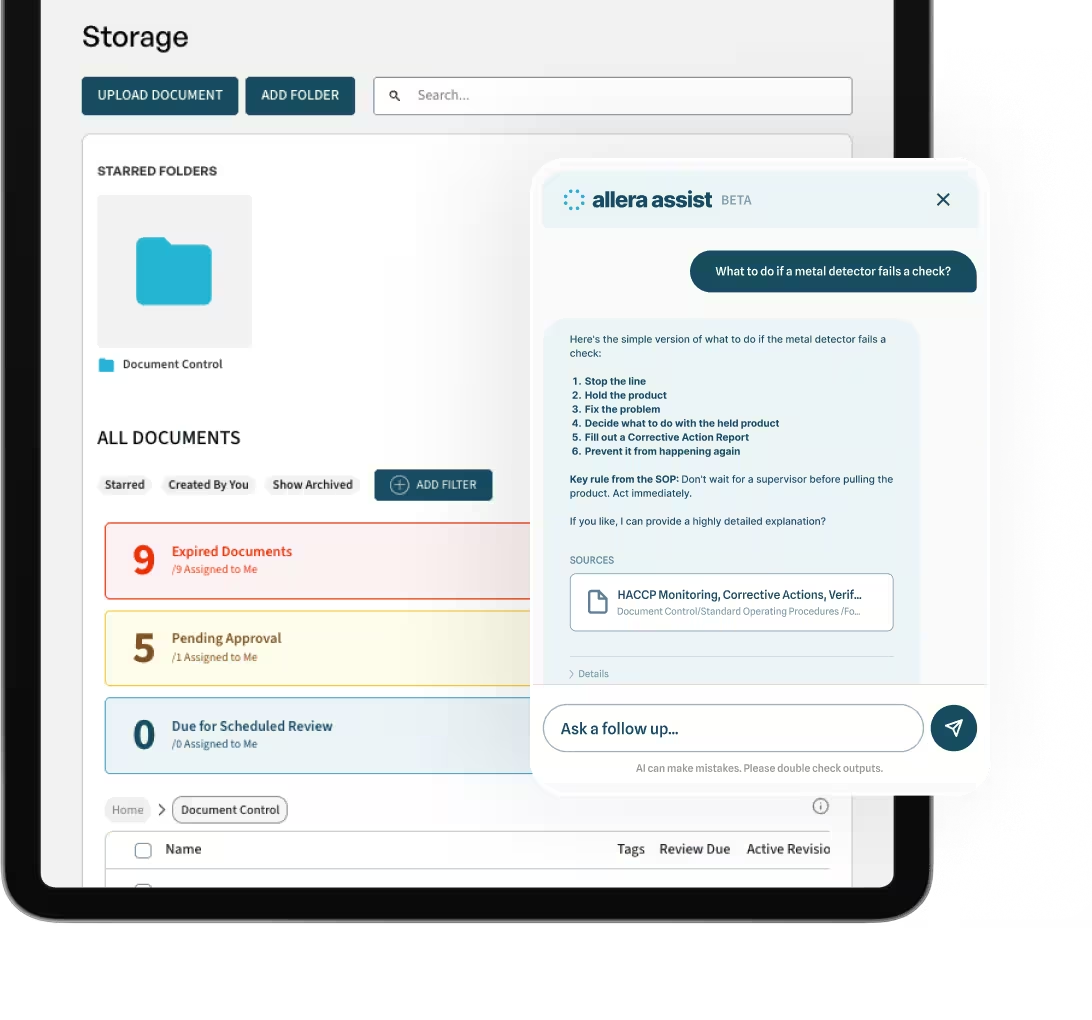
Managing sanitation documentation across FSMA, SQF, BRCGS, and FSSC 22000 simultaneously often means duplicate records, version-controlled SOPs in multiple formats, and audit evidence scattered across binders and shared drives. Allera's document control module centralizes sanitation procedures, completion records, and version history so your program is inspection-ready without the manual assembly work.
Writing a Sanitation Standard Operating Procedure (SSOP)
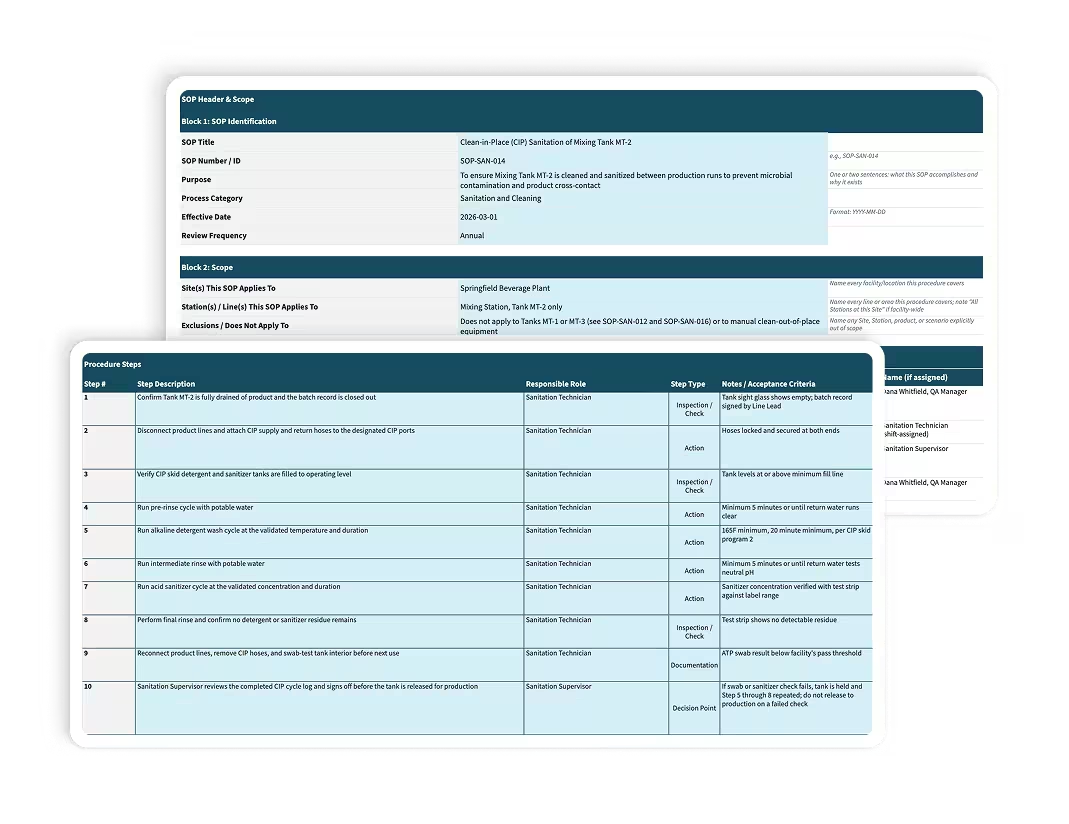
An SSOP is the written document that describes, step by step, how a specific piece of equipment or facility area is cleaned and sanitized. SSOPs are a regulatory requirement under USDA FSIS, a certification requirement under SQF, BRCGS, and FSSC 22000, and a practical necessity for any facility where more than one person is responsible for sanitation.
Without an SSOP, you are relying on institutional memory and verbal training. When staff turns over, knowledge walks out the door. When an auditor asks for evidence that your cleaning is being done correctly, an SSOP is the document that answers that question.
The Anatomy of an SSOP
A complete SSOP for a single piece of equipment or area includes:
- Purpose and scope: What this SOP covers and why it exists
- Equipment and area description: Specific identification of what is being cleaned (equipment name, asset number, location)
- Chemicals: Product name, EPA registration number, concentration, SDS reference, and required PPE
- Step-by-step cleaning procedure: Each step written clearly enough that a trained employee who has never cleaned this equipment can follow it correctly
- Frequency: How often (before each production run, daily, weekly, after each allergen changeover, etc.)
- Responsible role: Who is accountable for completing each step
- Verification method: What check is performed to confirm the cleaning was effective, and who performs it
- Corrective action triggers: What happens if verification fails (immediate re-clean, notify supervisor, delay production, etc.)
- Sign-off fields: Completed-by signature or employee ID, date, time, and verifier sign-off
An SSOP without defined corrective actions is incomplete. Auditors routinely flag the absence of corrective action procedures as a non-conformance because the corrective action requirement is explicit in FSMA, USDA FSIS, SQF, BRCGS, and FSSC 22000.
Pre-Operational vs. Operational SSOPs
Pre-operational SSOPs describe cleaning and sanitation that occurs before production begins. Under USDA FSIS, pre-operational sanitation is inspected daily. Under BRCGS and SQF, pre-op verification records are a standard audit request.
Operational SSOPs describe cleaning and sanitation that occurs during production: scheduled line changeovers, allergen changeovers, contamination events, breaks, and shift changes. These procedures are often separate documents from pre-op SSOPs because the frequency, scope, and verification requirements differ.
Common SSOP Mistakes
Vague chemical concentrations: Writing "as directed" or "per label" is not sufficient. Your SSOP must specify the concentration in parts per million or percentage, so a new employee can mix and verify it correctly without looking up the label.
Unspecified frequencies: "As needed" is not a frequency. Every cleaning task must have a defined schedule. "As needed" tells an auditor that you do not have a controlled program; it tells your team that cleaning is optional.
Missing corrective action: If your verification check fails, what happens next? Who decides whether to re-clean or hold the line? If your SSOP does not answer this question, it is incomplete.
No sign-off or verification field: A cleaning record with no sign-off is not a record. It is a form. Ensure your SSOPs include fields for the person who completed the cleaning, the person who verified it, and the result.
For version control and document management across your SSOP library, see how Allera's document control module works.
Validating That Your Sanitation Program Actually Works
Monitoring, verification, and validation are three different activities with different purposes. Using them interchangeably in your sanitation program is a common mistake that becomes visible in advanced-level audits under SQF Edition 10 and BRCGS Issue 9.
Monitoring vs. Verification vs. Validation
Monitoring answers the question: "Is the sanitation task being performed?" Monitoring records include completed SSOP sign-offs, chemical concentration logs, and cleaning task completion checklists. Monitoring tells you that sanitation activity occurred. It does not tell you whether it worked.
Verification answers the question: "Did the sanitation work?" Pre-operational visual inspections, ATP bioluminescence test results, and surface microbiological swab results are all forms of verification. Verification confirms that a completed sanitation event achieved an acceptable outcome.
Validation answers the question: "Does our chosen method, at our chosen frequency, consistently deliver the required outcome under our operating conditions?" Validation is a study, not a routine activity. It typically involves structured testing across multiple sanitation cycles under varied conditions (different operators, different product soils, different seasonal temperatures) to confirm that your SSOP parameters are scientifically justified. Both SQF Edition 10 and BRCGS Issue 9 require sanitation validation, and auditors are increasingly asking for validation study records rather than accepting "we do ATP testing" as sufficient.
ATP Bioluminescence Testing
ATP (adenosine triphosphate) bioluminescence testing is the most widely used verification tool in food manufacturing sanitation programs. ATP swabs detect residual organic matter on surfaces, and the result (expressed in relative light units, or RLU) provides a real-time indicator of cleaning effectiveness.
ATP testing does not detect pathogens and is not a microbiological test. A low RLU result confirms that cleaning was thorough; it does not confirm that no pathogens are present. ATP testing is most valuable as a proxy for cleaning quality and as a trigger for corrective action when results exceed defined thresholds.
Set your RLU pass/fail thresholds based on your equipment, your typical soil loads, and guidance from your ATP test kit manufacturer. Apply thresholds consistently across similar surface types.
Microbiological Swabbing
Surface microbiological swabbing provides direct evidence of microbial populations on equipment and facility surfaces. Common targets include aerobic plate count (APC), coliforms, Listeria species or Listeria monocytogenes, and Salmonella for high-risk environments.
Environmental monitoring programs (EMPs) integrate microbiological swabbing into a structured sampling plan across your facility, with defined zones, sampling frequencies, and corrective action protocols for positive results. EMPs are required under FSMA for facilities producing ready-to-eat foods, and they are an expectation under BRCGS Issue 9 for high-care and high-risk zones.
For a detailed overview of ATP testing and microbiological methods used in sanitation verification, see our food safety testing guide.
When to Re-Validate
Validation is not a one-time exercise. Your program should specify re-validation triggers, including:
- Introduction of new equipment or major facility modifications
- Change in cleaning chemicals or chemical supplier
- Change in production volumes or soil loads that may affect cleaning effectiveness
- Following a sanitation-linked incident (positive environmental result, customer complaint, internal recall)
- Periodic re-validation on at least an annual basis as part of your program review
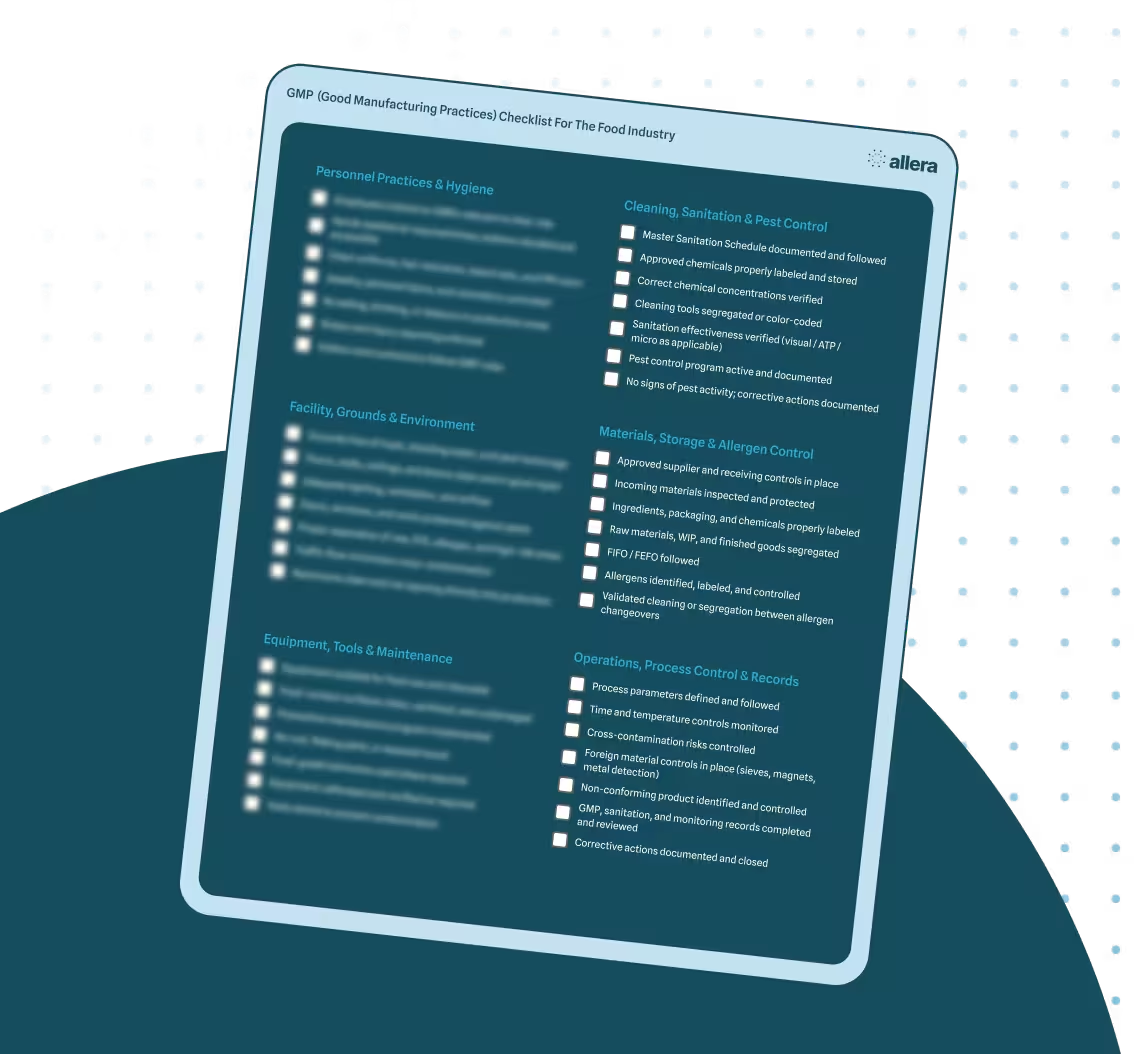
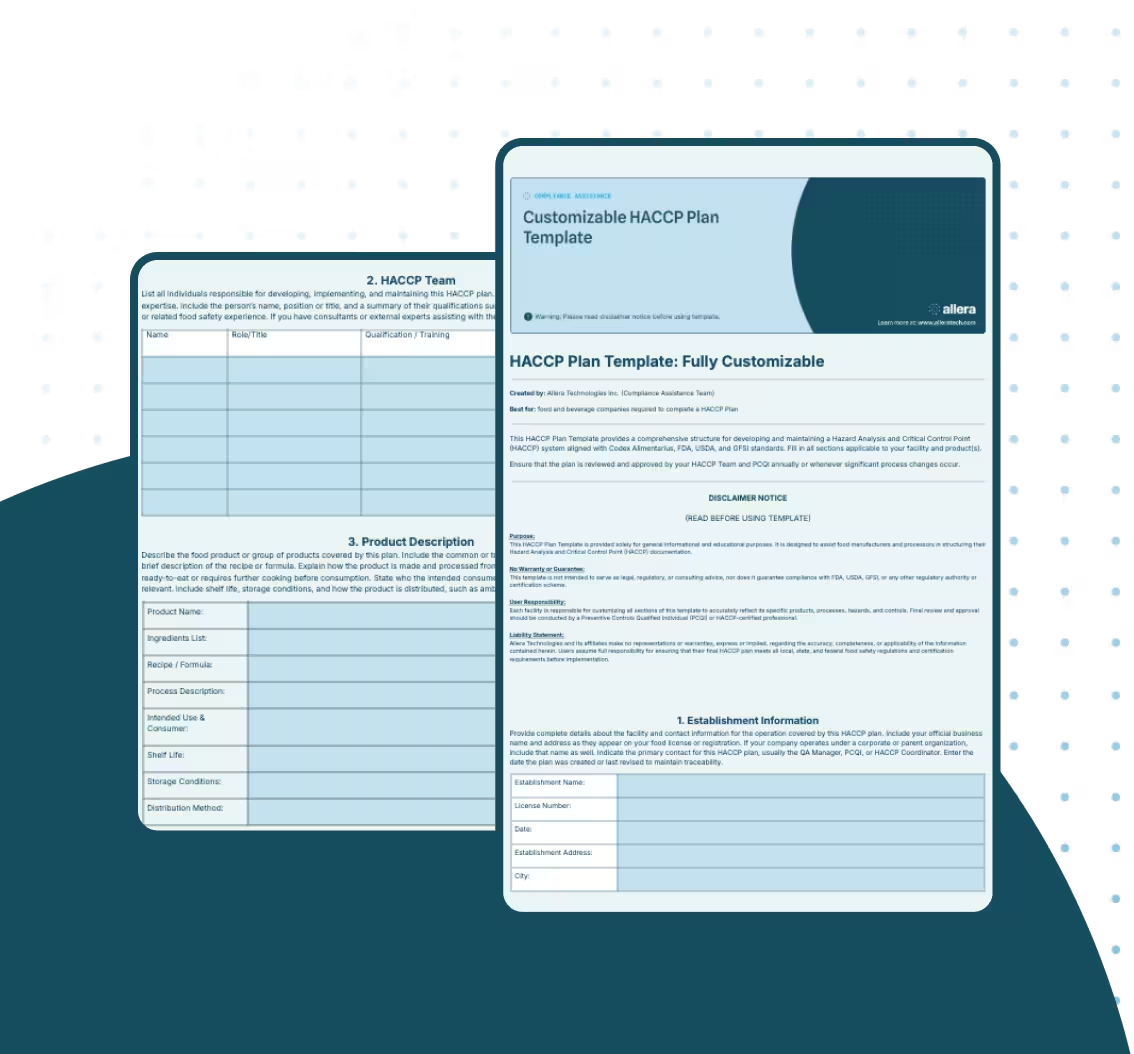
For guidance on how sanitation validation connects to your broader GMP audit checklist and HACCP plan, review those resources alongside your SSOPs.
Training, Culture, and Continuous Improvement
A sanitation program is only as good as the people executing it. Chemistry, equipment, and documentation are necessary foundations, but the people doing the cleaning need to understand what they are doing and why it matters.
The 5 Cs of Food Hygiene Explained
The 5 Cs of food hygiene are a widely recognized mnemonic that originated in consumer food safety education but maps directly to commercial food manufacturing practice:
- Cleaning: Physical and chemical removal of soil from all surfaces, equipment, and utensils
- Cooking: Validated heat processes that achieve pathogen kill at critical control points
- Chilling: Temperature control to prevent pathogen growth in raw materials and products
- Cross-contamination prevention: Physical and procedural controls against allergen and pathogen transfer between materials, surfaces, and personnel
- Checking: Verification and monitoring activities that confirm each of the above is working
In a food manufacturing context, each of these maps to a specific program or set of controls in your food safety management system. Your sanitation program directly addresses the Cleaning and Cross-contamination prevention pillars, and your verification activities address the Checking pillar.
Sanitation Team Training
Every member of your sanitation team needs training in the specific chemicals they are using (correct dilution, PPE requirements, SDS review), the specific equipment they are responsible for cleaning (SSOP walkthrough and initial supervised execution), and the verification methods used to confirm their work was effective.
Training should be documented: who was trained, on what, by whom, when, and what the outcome was. When chemistry or procedures change, retraining is required before the change goes live. FSMA's Preventive Controls Qualified Individual (PCQI) requirements also intersect with sanitation training for facilities that have identified sanitation as a preventive control category. See our PCQI training guide for more.
Food Safety Culture and Sanitation Behavior
Sanitation is the most visible daily indicator of food safety culture in a manufacturing facility. Auditors from SQF, BRCGS, and FSSC 22000 observe employee behavior on the floor: whether sanitation is treated as a real step in the production process or as a box to check. They watch whether pre-op verification is performed with attention or as a formality, whether cleaning records are filled in at the time of completion or at the end of the shift, and whether employees raise concerns when sanitation conditions are not right.
Facilities that score well on sanitation audits tend to have a shared understanding, at every level from the sanitation technician to the plant manager, of why sanitation matters. That understanding does not come from a single training session. It comes from consistent leadership behavior, real consequences for documented failures, and a culture where raising a sanitation concern is recognized rather than dismissed.
From Paper to Platform: Managing Sanitation Digitally
Most food manufacturing facilities track their sanitation programs on paper binders, shared spreadsheets, or a combination of both. This approach creates several predictable problems that become most visible during audit preparation.
The Problem with Spreadsheet and Binder Sanitation Records
Version control is the first problem. If your SSOPs exist in a shared folder, multiple versions accumulate over time. The version the sanitation team is using may not match the version on file during the audit. This is a common source of BRCGS and SQF non-conformances that has nothing to do with whether your facility is actually clean.
Completion records are the second problem. Paper forms get lost, get filed in the wrong place, or get filled in hours after the fact. There is no audit trail showing who verified what, when, and under what conditions.
Exception alerting does not exist on paper. If a pre-op ATP result fails a threshold, a paper system relies on the person holding the paper to escalate. A digital system can generate an immediate alert to a supervisor and require a corrective action record before production resumes.
What a Digital Sanitation Program Should Do
A properly designed digital sanitation management system should:
- Automatically schedule recurring cleaning tasks based on your master sanitation schedule
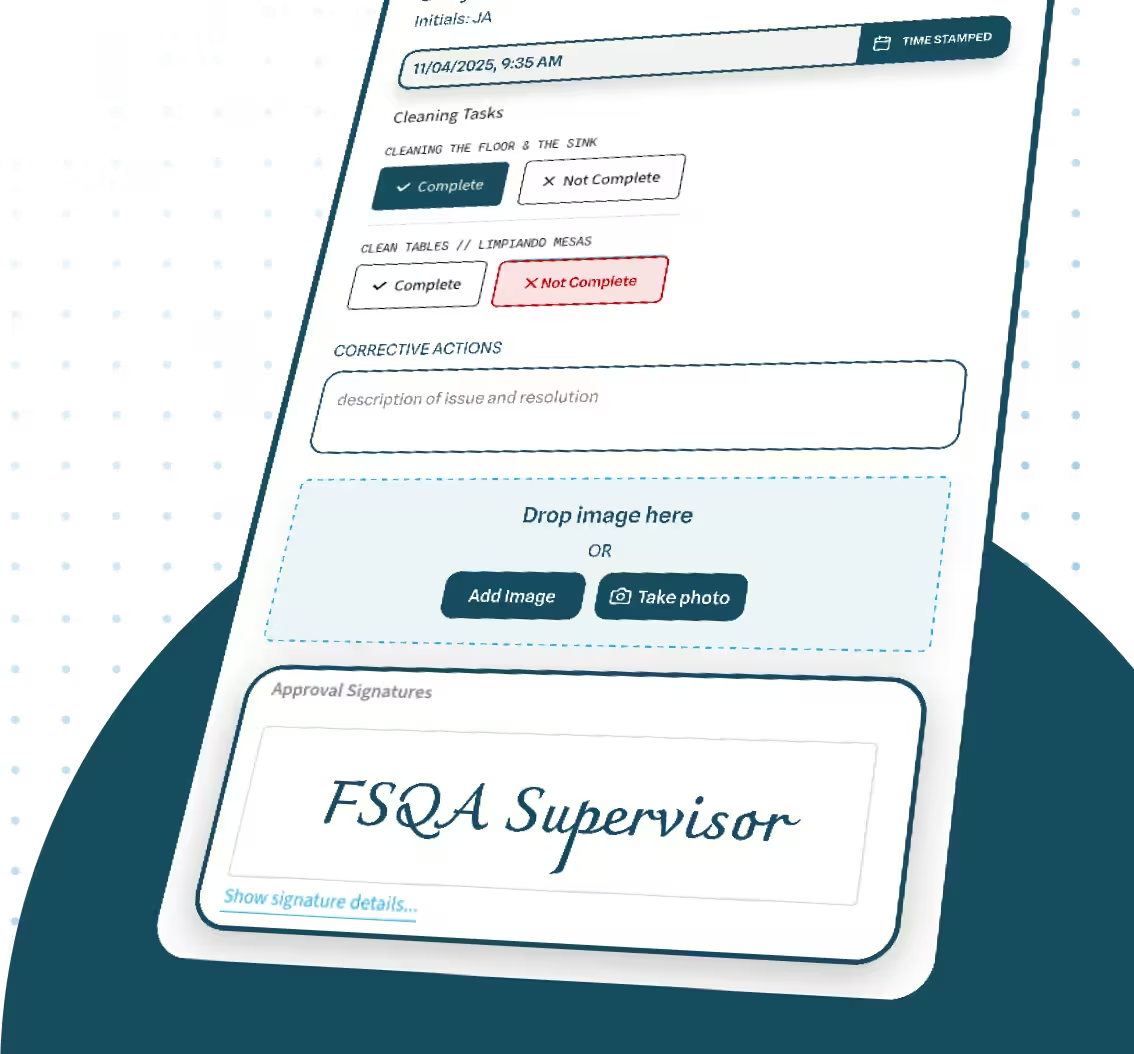
- Enable mobile sign-off with a timestamp and employee ID at the point of completion
- Link the correct SSOP version to each task so the person executing it is reading the current procedure
- Capture verification results (ATP readings, visual inspection pass/fail) in the same record as the completion log
- Generate real-time alerts when results fail defined thresholds
- Produce audit-ready records on demand, without manual compilation
For more on evaluating food safety software for your sanitation program, see our software guide.
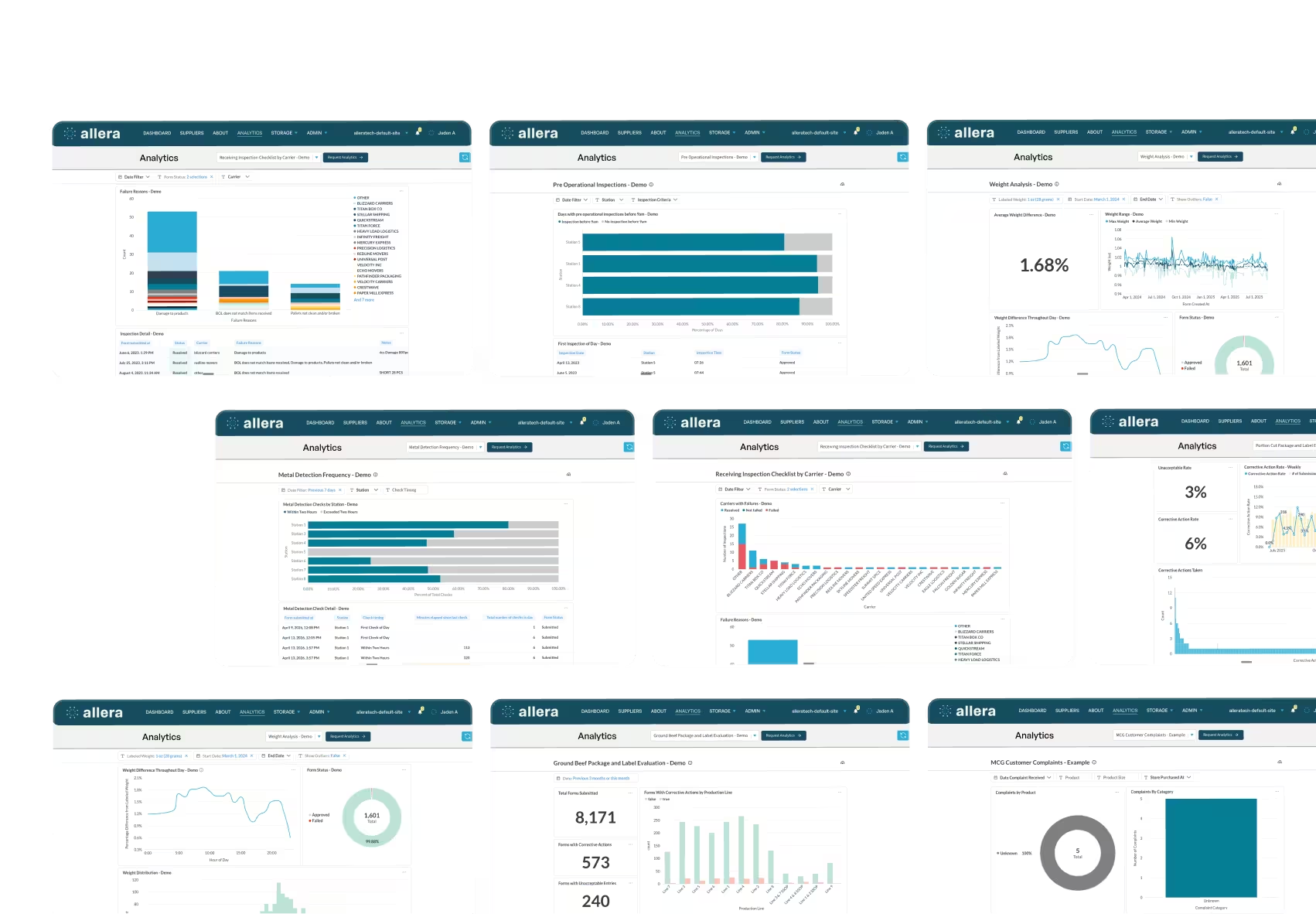
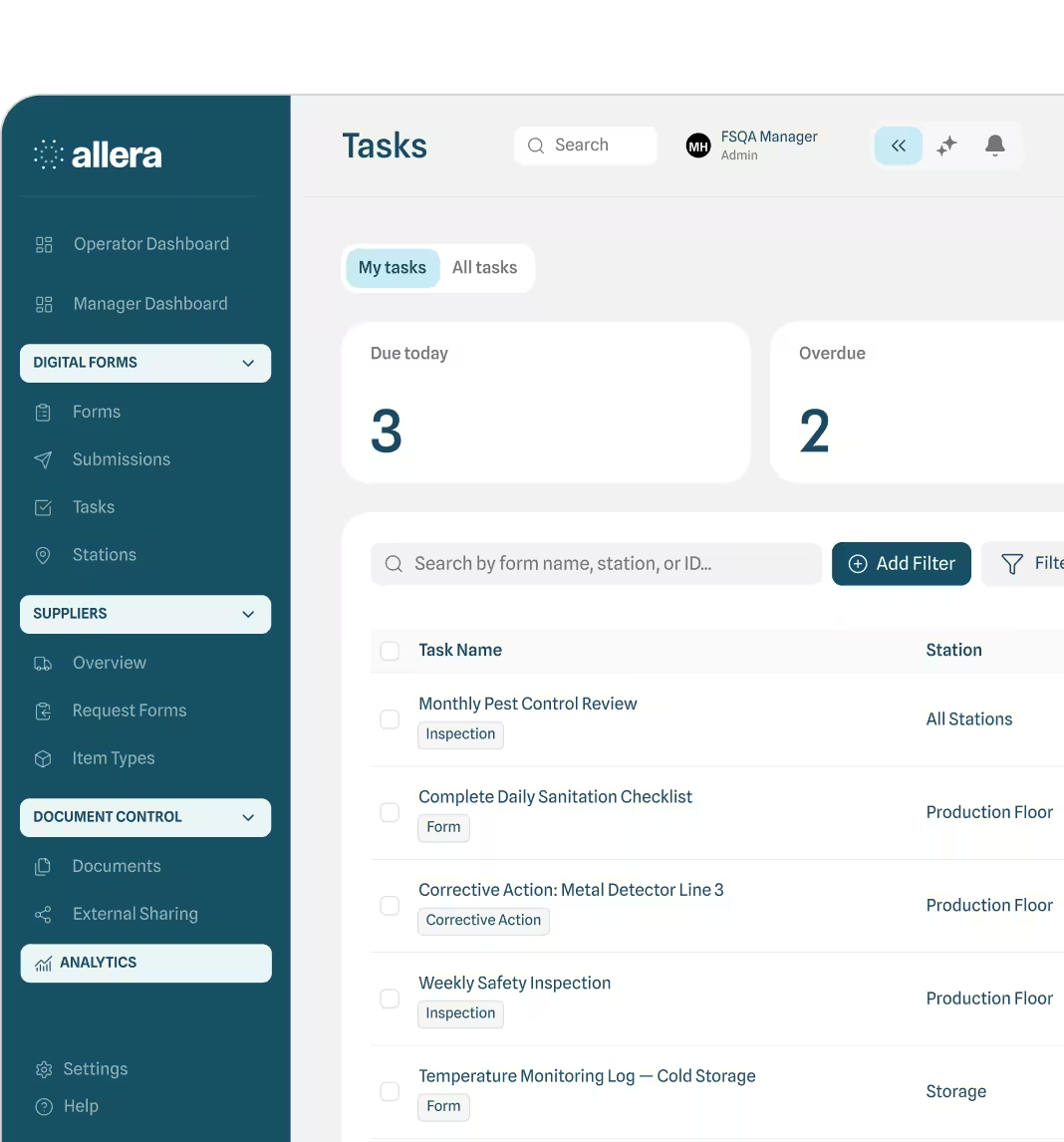
If your sanitation records still live in binders and shared drives, your audit preparation is significantly harder than it needs to be. Allera's food quality management software replaces paper binders and disconnected spreadsheets with a single, audit-ready workspace for sanitation schedules, SSOPs, completion records, and verification data.
What's Changing in 2026: Sanitation Trends to Watch
The sanitation landscape in food manufacturing is not static. Several significant developments in 2025 and 2026 are changing how practitioners approach cleaning programs, and being aware of them helps you stay ahead of the next audit cycle.
SQF Edition 10 rollout: The current edition of the SQF code sharpens its language around cleaning effectiveness verification. Expect auditors to probe more deeply into whether your verification methods are validated, not just whether you are doing them.
NSF/ANSI 4-2025: The updated commercial cooking equipment sanitation standard published in February 2026 revises requirements for equipment design, cleanability, and material compatibility. If you are purchasing or refurbishing cooking equipment, review the new standard before finalizing equipment specifications.
Dry sanitation research acceleration: Research from the University of Massachusetts and others published in 2025 and 2026 is advancing the science of antimicrobial systems for dry processing environments. Controlled-application chlorine dioxide, dry steam validation protocols, and enzymatic systems adapted for low-moisture use are all active areas of development that will likely appear in updated guidance documents over the next two to three years.
Water-smart cleaning: Food Engineering's May 2026 coverage of water-smart cleaning reflects growing pressure on food manufacturers to reduce process water consumption. Facilities with high water use in CIP systems are evaluating whether concentration increases, chemistry optimization, or partial dry sanitation protocols can maintain effectiveness with lower water volumes.
Biofilm research on water hoses: Food Safety Magazine's 2025 coverage highlighted water hoses as underappreciated biofilm reservoirs in food manufacturing environments. Hose management (storage, condition monitoring, dedicated zone use, and periodic replacement) is increasingly appearing in BRCGS and SQF auditor findings.
Enzymatic sanitation for red meat processing: Peer-reviewed research published in Frontiers in Microbiology in 2026 explored enzymatic sanitation applications in red meat processing, with promising results for reducing organic soil loads in high-protein, high-throughput environments.
Allera gives food manufacturers a centralized, audit-ready sanitation program workspace: schedules, SSOPs, completion records, validation data, and documentation aligned with GFSI requirements, all in one place. Whether you are preparing for an SQF audit, tightening BRCGS Clause 4.11 compliance, or building a dry sanitation program from the ground up, the system adapts to your facility's needs. See how Allera's food quality management software works.
FAQ: Cleaning and Sanitation in the Food Industry
Q: Why is cleaning and sanitation important in the food industry?
A: Cleaning and sanitation remove organic soil and reduce pathogenic microorganisms on food-contact surfaces to levels that prevent foodborne illness, allergen cross-contact, and product spoilage. The CDC estimates 9.9 million Americans get sick from foodborne pathogens annually, and inadequate sanitation is consistently cited in FDA warning letters, FSIS non-compliance records, and GFSI audit findings. Effective programs also protect brand value, reduce recall risk, and meet legal requirements under FSMA (21 CFR Part 117) and USDA FSIS (9 CFR Part 416).
Q: What are the 5 Cs of food hygiene?
A: The 5 Cs are Cleaning, Cooking, Chilling, Cross-contamination prevention, and Checking. They originated as a consumer-facing food safety mnemonic but map directly to commercial food manufacturing: cleaning and sanitation procedures, validated cook and kill steps, temperature control, allergen and pathogen segregation, and verification of all of the above. For food manufacturers, each of the 5 Cs corresponds to a specific program or set of controls within your food safety management system.
Q: What are the 5 Fs of sanitation?
A: The 5 Fs describe the five primary disease-transmission routes addressed by sanitation programs: Food, Fingers, Fluids, Fomites (contaminated surfaces and objects), and Feces. A food manufacturing sanitation program is designed to break each transmission route. Handwashing and hygiene procedures address Fingers; surface sanitation addresses Fomites; water treatment and CIP practices address Fluids; pest control and sewage segregation address Feces; and temperature control, formulation controls, and sanitation together address Food.
Q: What are the 5 steps of cleaning and sanitation?
A: The 5-step version of the sanitation process is: (1) remove visible soil, (2) wash with detergent, (3) rinse, (4) sanitize with an EPA-registered sanitizer at labeled concentration and contact time, and (5) air-dry and verify. The more detailed 7-step framework used in food manufacturing splits these into: dry clean, pre-rinse, apply detergent, post-rinse, inspect, sanitize, and air-dry and verify. Both produce the same outcome. The 7-step process gives auditors a cleaner record of intermediate checkpoints and is the standard recommended for facilities under SQF, BRCGS, and FSSC 22000 certification.
FAQs

.avif)
.avif)
.avif)
.avif)
%20(1).avif)
.avif)
.avif)

%20(1).png)

.avif)


.avif)