.avif)



Guide To Food Regulatory Compliance for Food Manufacturers


Food industry regulatory compliance in 2026 demands more than basic food safety protocols, as reflected in evolving requirements under the FDA Food Safety Modernization Act (FSMA) Modern food and beverage manufacturers must integrate enhanced traceability, sustainability reporting, regulatory compliance software, and retailer-specific requirements into a cohesive framework.
What's Changed:
- FSMA 204 traceability requirements (delayed to July 2028, but preparation is urgent)
- EU and UK regulatory evolution post-Brexit
- Mandatory sustainability and packaging regulations
- Retailer-driven compliance standards
- Digital-first documentation and audit readiness
Bottom Line: Start now. Waiting for enforcement deadlines or audit failures is too late.
Why Food Regulatory Compliance Matters More Than Ever
Beyond Avoiding Fines
Public Health Protection
Enhanced traceability enables 24-hour recall response, limiting contamination exposure and protecting consumers from foodborne illness and allergen incidents.
Financial Risk Management
Non-compliance triggers regulatory enforcement, product recalls, distribution blocks, and operational disruption. FSMA 204 violations could halt your food and beverage supply chain entirely.
Brand Reputation
A single outbreak in the social media era can destroy decades of brand equity. Consumers and investors now scrutinize safety records, sustainability practices, and recall response times.
Market Access
Major retailers require documented proof of compliance, traceability, and sustainability. Failure to demonstrate these capabilities results in delisting or contract termination.
Supply Chain Resilience
Well-documented compliance supports supplier qualification, enables faster problem resolution, and provides continuity during regulatory changes or supply disruptions.
2026 U.S. Regulatory Landscape
United States: FSMA 204 Traceability Rule
Current Status:
Originally scheduled for January 20, 2026, FDA proposed a 30-month extension to July 20, 2028.
What It Requires:
Manufacturers handling Food Traceability List (FTL) products must maintain records for Critical Tracking Events (CTEs) including:
- Harvesting
- Packing
- Shipping
- Receiving
- Transformation
Records must capture Key Data Elements (KDEs) and use Traceability Lot Codes (TLCs), retrievable in sortable digital format within 24 hours.
Action Required:
Even with the delay, begin implementation now. Map your CTEs, identify FTL products, assign TLCs, and deploy digital record-keeping systems.
Other U.S. Regulatory Considerations
FDA Food Safety Modernization Act (FSMA):
- Preventive Controls for Human Food
- Foreign Supplier Verification Programs (FSVP)
- Produce Safety Rule
- Sanitary Transportation Rule
USDA Regulations:
- HACCP requirements for meat, poultry, and egg products are established by USDA’s Food Safety and Inspection Service (FSIS) in its Hazard Analysis and Critical Control Point regulations for meat and poultry establishments.
- Mandatory inspection programs
- Labeling approval processes
State-Level Requirements:
- California Prop 65 warnings
- State allergen labeling laws
- State-specific packaging and recycling mandates
6 Critical Compliance Trends for U.S. Manufacturers in 2026
1. Retailer-Driven Standards
Major U.S. grocers and food service chains now mandate documented evidence of safety, sustainability, traceability, and social responsibility—often exceeding FDA regulatory minimums.
2. Sustainability and Packaging Expectations
While not as formalized as overseas regulations, U.S. retailers and consumers increasingly demand recyclability documentation, carbon footprint data, and lifecycle transparency. State-level packaging laws are also emerging.
3. Digital Transformation
Paper logs are obsolete. Modern compliance requires cloud-based traceability platforms, ERP integration, IoT sensors, and electronic records that meet FSMA 204 requirements.
4. Advanced Data Analytics
Regulatory databases and monitoring systems enable trend analysis for contamination patterns, pesticide residues, and compliance risks—helping facilities identify issues before they become outbreaks.
5. Dynamic Ingredient Regulation
FDA continues to evaluate novel foods, GRAS substances, food additives, and nutrient sources. Manufacturers must monitor ingredient approvals and reformulation requirements.
6. ESG Convergence
Compliance programs now blend food safety with environmental impact and social responsibility to meet investor, retailer, and consumer demands—even in the absence of federal mandates.
The 5 Pillars of Modern Compliance
Pillar 1: Food Safety & Preventive Controls
Core Requirements:
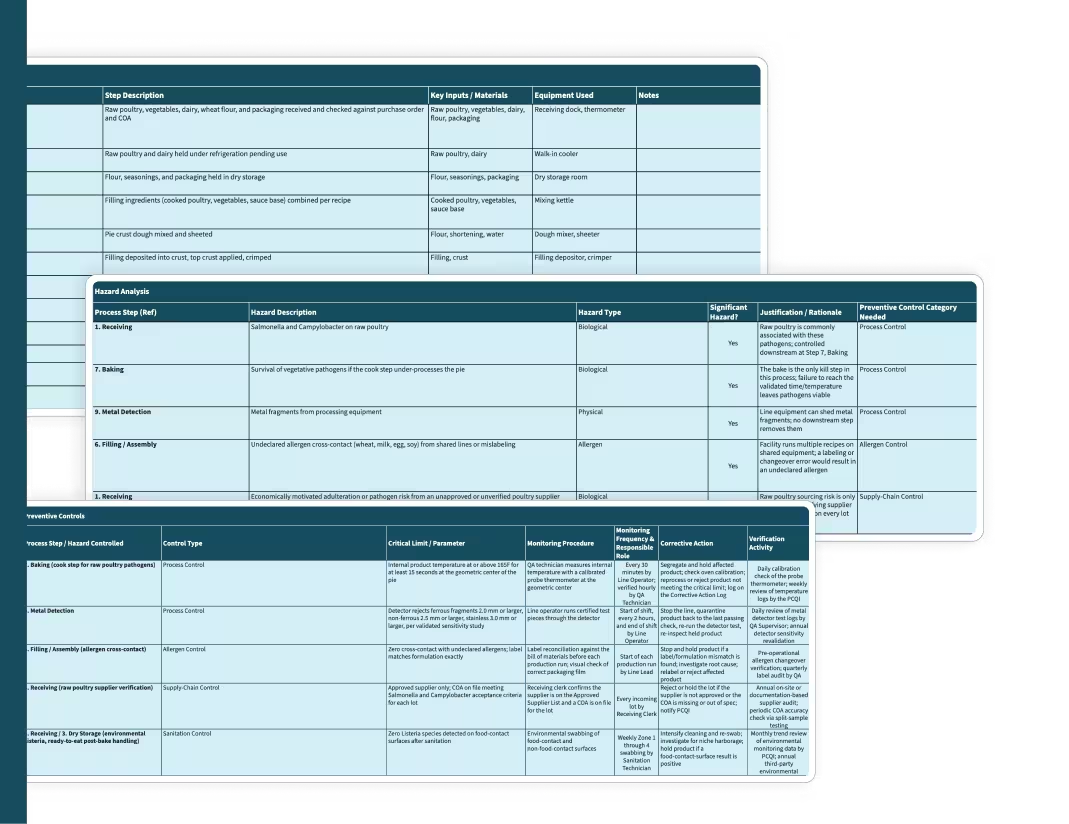
- Hazard analysis covering microbial, chemical, allergen, and physical risks
- Preventive controls plan with validated CCPs
- Environmental monitoring programs (swab mapping, pathogen surveillance)
- Sanitation verification and line-clearance protocols
- Supplier approval, audits, and raw material testing
- Non-conformance tracking and corrective action
Documentation Standards:
- Distinguish verification (ongoing monitoring) from validation (initial proof of effectiveness)
- Maintain evidence of process changes and control effectiveness
- Electronic records with version control and audit trails
Pillar 2: Traceability & Recall Readiness
FSMA 204 Compliance:
- Assign TLCs to all FTL products
- Capture KDEs at every CTE (harvest through transformation)
- Maintain sortable electronic records retrievable within 24 hours
- Document one-up/one-back traceability throughout supply chain
Recall Infrastructure:
- Written traceability plan identifying FTL products, TLC assignment methodology, and data storage systems
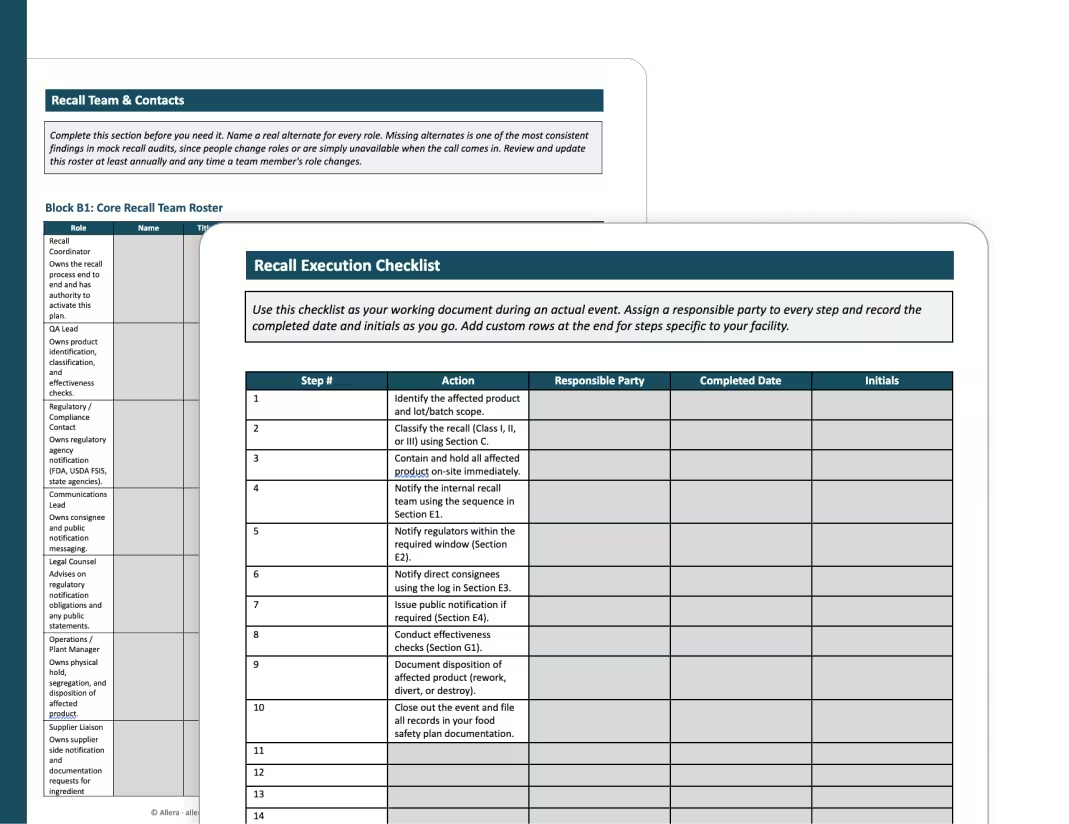
- Mock recall procedures tested at least annually
- Root cause analysis and CAPA workflows
- Rapid communication protocols with customers and regulators
Pillar 3: Allergen Control & Labeling
Allergen Management:
- Comprehensive hazard analysis covering all 9 major allergens (milk, eggs, fish, shellfish, tree nuts, peanuts, wheat, soybeans, sesame)
- Physical segregation of allergen-containing ingredients and products
- Validated cleaning procedures with allergen verification testing
- Cross-contact prevention at all process steps
- Staff training on allergen risks and controls
Labeling Compliance:
- Accurate ingredient declarations meeting FDA requirements
- Clear allergen statements (contains/may contain)
- Nutritional information compliance (Nutrition Facts panel)
- Country-of-origin labeling (COOL)
- FDA and USDA specification alignment
- State-specific requirements (e.g., Prop 65)
- Change control process for formula or supplier modifications
Pillar 4: Sustainability & Packaging
Environmental Compliance:
- Packaging material tracking and recyclability documentation
- Waste documentation and reduction targets
- Packaging lifecycle analysis for retailer requirements
- Material declarations and certifications
- Carbon footprint measurement (increasingly required by major retailers)
Supply Chain Sustainability:
- Supplier sustainability assessments and audits
- Eco-packaging verification and certification
- Transportation efficiency and cold chain optimization
- Environmental audit readiness for retailer programs
Pillar 5: Transportation & Supply Chain Control
Sanitary Transportation:
- Temperature monitoring and control systems should support sanitary transportation practices under the FDA Sanitary Transportation of Human and Animal Food rule, which sets standards for temperature control and vehicle conditions in transit.
- Condition monitoring (humidity, shock, time)
- Vehicle and container sanitation verification
- Cross-contamination prevention during transport
- Chain-of-custody documentation
Record Requirements:
- Shipping and receiving logs
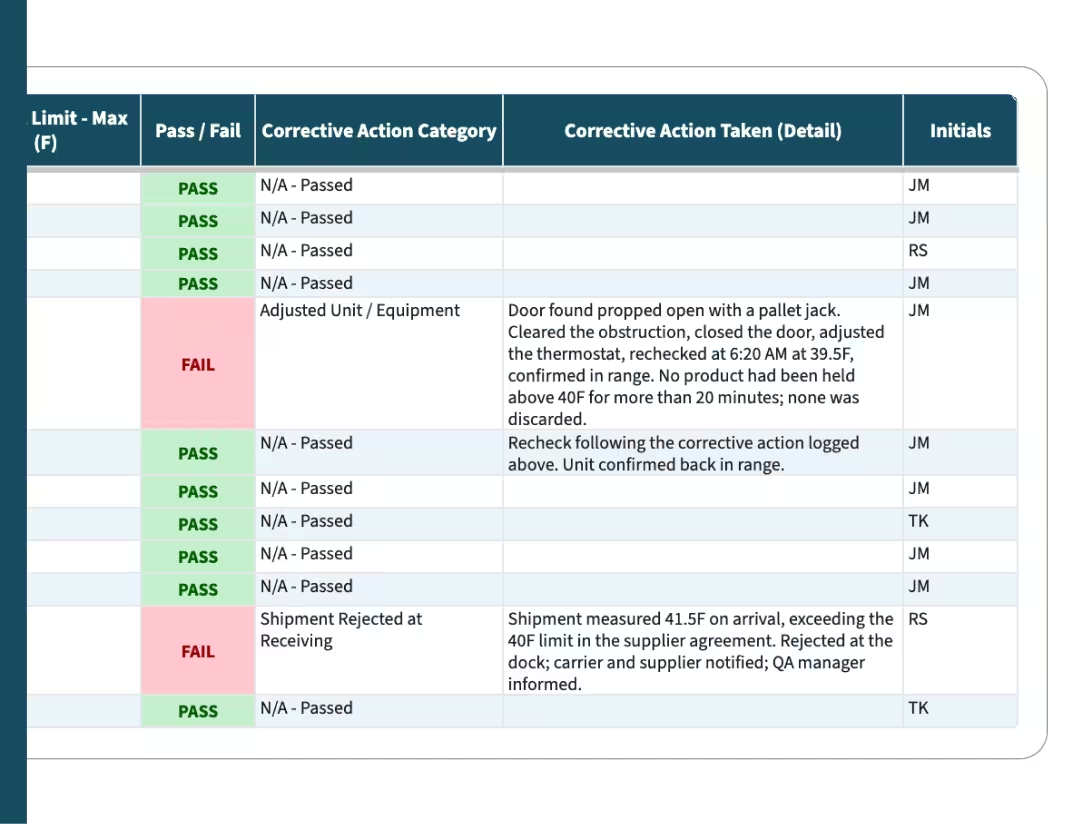
- Temperature deviation reports and CAPA
- Packaging and container hygiene inspection records
- Carrier qualification and approval
Industry-Specific Compliance Focus
Fresh Produce
Critical Areas: FSMA 204 traceability (harvest to packing), pesticide residue monitoring, temperature control, cooling protocols, cross-contamination prevention during handling
Meat, Poultry & Seafood
Critical Areas: Enhanced hygiene controls, HACCP for pathogens, allergen management, SPS compliance for exports, post-Brexit certification requirements
Dairy, Cheese & Eggs
Critical Areas: Allergen controls (milk, eggs), microbial hazard management (Listeria, Salmonella), ingredient/fortification compliance, cold chain integrity
Bakery & Confectionery
Critical Areas: Allergen cross-contact (wheat, milk, eggs, nuts), ingredient approval tracking, accurate labeling, packaging EPR compliance
Ready-to-Eat & Prepared Foods
Critical Areas: Multi-allergen management, CCP verification (cooking/cooling), FTL ingredient traceability, comprehensive labeling, sustainability reporting, rapid recall capability
Common Compliance Failures
1. Incomplete Traceability Records
Why It Happens: Facilities fail to map Critical Tracking Events, don't assign proper lot codes, or rely on paper-based systems that can't support rapid data retrieval.
How to Prevent It: Deploy digital traceability software integrated with your ERP system. Digitize all production and shipping records. Conduct quarterly mock recalls to identify gaps before regulators or retailers discover them. Ensure your team can retrieve sortable traceability data within 24 hours.
2. Sanitation Breakdowns
Why It Happens: Cleaning protocols aren't verified with testing, staff receive inadequate training, or documentation is incomplete or inconsistent.
How to Prevent It: Implement an environmental monitoring program with swab mapping for pathogens and allergens. Establish rigorous line clearance procedures between allergen runs. Conduct monthly internal sanitation audits. Maintain digital cleaning logs with verification test results.
3. Supplier Failures
Why It Happens: Companies operate without formal supplier qualification programs, fail to collect proper documentation, or conduct audits irregularly or not at all.
How to Prevent It: Establish a structured supplier approval workflow with documented requirements. Schedule annual supplier audits for critical ingredients. Implement a non-conformance tracking system to identify patterns. Require suppliers to demonstrate their own traceability and food safety capabilities.
4. Labeling Errors
Why It Happens: FDA regulatory changes aren't monitored, no formal review process exists when formulas change, or ingredient substitutions happen without label updates.
How to Prevent It: Create a labeling change control procedure that requires QA sign-off. Review all labels quarterly against current FDA regulations and state requirements. Monitor ingredient approval changes (GRAS substances, food additives, fortificants). Use digital specification management systems to prevent version control issues. Stay current on Nutrition Facts panel requirements and allergen labeling updates.
5. Sustainability Non-Compliance
Why It Happens: Teams lack awareness of retailer sustainability requirements, don't track packaging waste data, or fail to document packaging material composition and recyclability claims.
How to Prevent It: Assign a dedicated environmental compliance owner. Implement packaging tracking systems to meet retailer demands. Document all packaging materials with supplier declarations. Establish waste reporting processes. Prepare for retailer sustainability audits by maintaining carbon footprint and lifecycle data. Monitor state-level packaging regulations.
6. Recall Unpreparedness
Why It Happens: Facilities never practice recalls, store records in decentralized locations (paper logs, multiple systems), or can't retrieve critical information quickly.
How to Prevent It: Build a dedicated recall team with defined roles. Test recall procedures annually with realistic scenarios. Ensure electronic records are accessible within 24 hours. Develop clear CAPA workflows to address root causes. Maintain updated contact lists for customers, suppliers, and regulators.
Regulatory Compliance Software and Technology Stack
Essential Systems for Food and Beverage Compliance
1. ERP / Manufacturing Execution System (MES)
- Centralized recipe and batch record management
- Automated lot code assignment
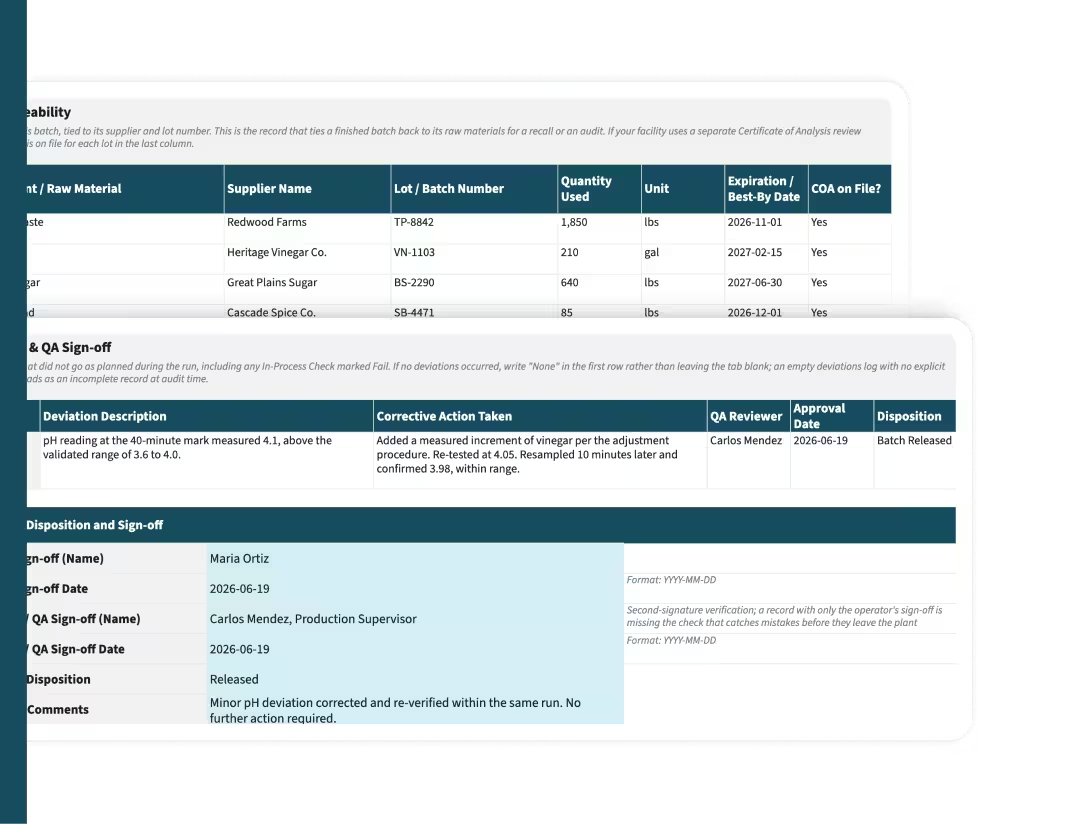
- Ingredient traceability and genealogy
- Production log integration
2. Traceability Platform
- CTE and KDE capture automation
- TLC generation and management
- One-up/one-back chain visualization
- Blockchain or distributed ledger options for supply chain transparency
3. Digital Forms & Cloud Storage
- Electronic sanitation and cleaning logs
- CCP monitoring and deviation alerts
- Environmental monitoring data
- Sortable, searchable record archives
4. Sensors & IoT
- Real-time temperature and humidity monitoring
- SPC for critical control points
- Automated deviation alerts
- Cold chain integrity verification
5. Data Analytics & Monitoring
- Pattern detection in monitoring data
- Risk analysis for contamination and residues
- Trend analysis for non-conformances
- FDA and USDA database integration
- Real-time compliance dashboards
6. Audit & CAPA Management
- Internal audit scheduling and tracking
- Non-conformance documentation
- Corrective and preventive action workflows
- Supplier audit management
- Verification vs. validation records
Integration Benefits
- Reduced manual errors
- Real-time compliance visibility
- Faster audit response
- Scalable for regulatory changes
- Remote audit capability
Building a Future-Proof Compliance Program
Phase 1: Assessment (Weeks 1–2)
The process begins with a focused compliance readiness audit to understand where your operation currently stands. Teams map products against FTL requirements, evaluate existing traceability capabilities, review digital record-keeping systems, and check supplier documentation and sustainability practices for gaps. Each of the five core pillars receives a readiness score, giving you a clear baseline.
To support this rollout, a cross-functional compliance team comes together—typically including QA leadership, operations, procurement/supply chain, IT, regulatory affairs, and sustainability. This group provides the decision-making power and cross-department alignment needed for a smooth transition.
Phase 2: Documentation (Month 1)
Once the assessment is complete, companies shift into program development. This includes updating or building key documents such as:
- A traceability plan covering FTL products, TLC methodology, and digital record storage
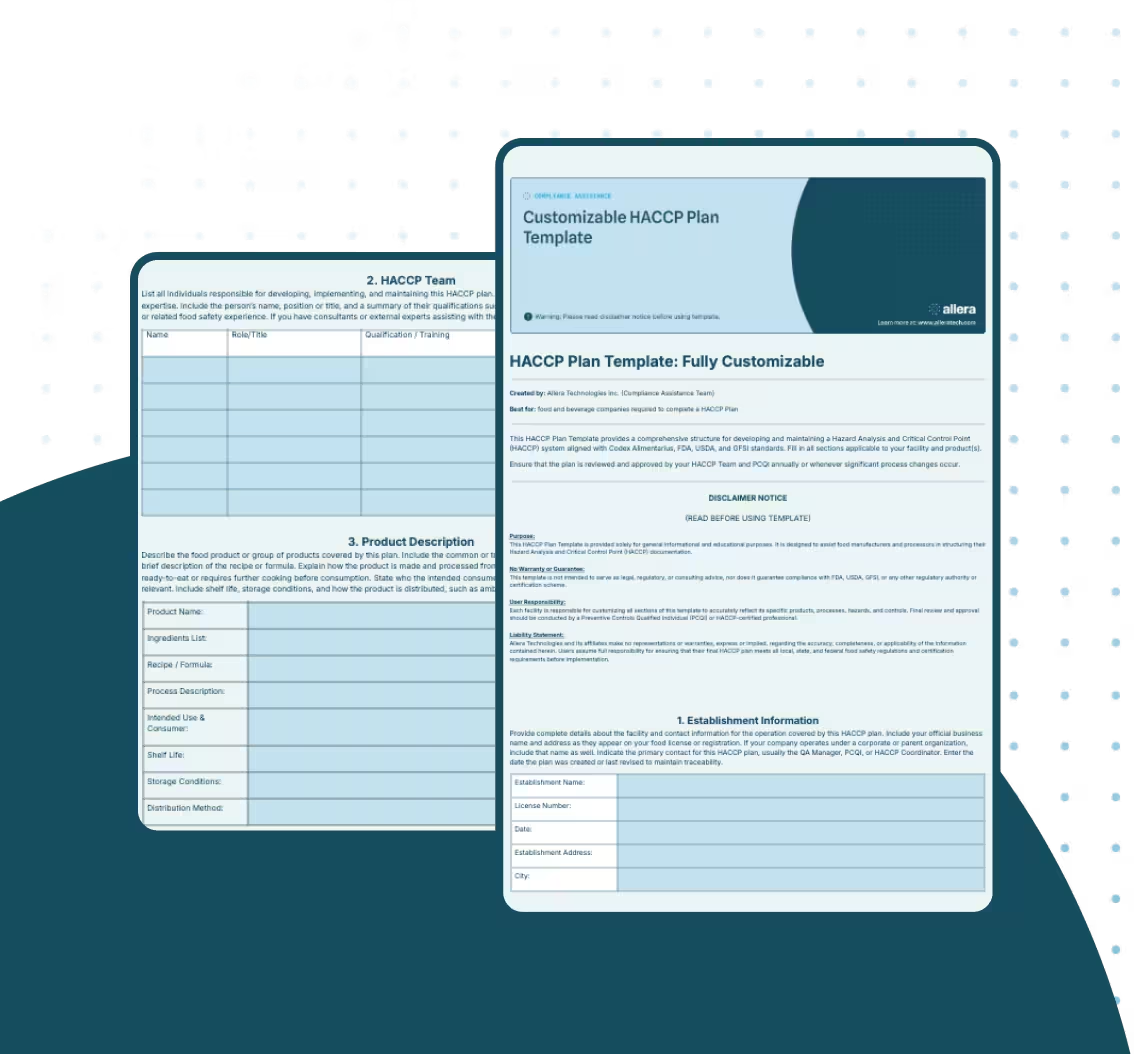
- HACCP or Preventive Controls plans aligned with 2026 expectations
- Allergen control, sanitation verification, supplier approval, recall execution, and labeling/packaging policies
- Sustainability and EPR frameworks that reflect growing regulatory pressure
This stage creates the backbone of your compliance program—what auditors, customers, and regulators will rely on to verify internal controls.
Phase 3: Technology Deployment (Months 2–3)
With documentation set, attention turns to digital infrastructure. Most manufacturers at this stage:
- Deploy or upgrade ERP/MES systems for traceability
- Migrate paper logs into digital workflows
- Install IoT sensors for CCPs and cold chain
- Configure traceability software to capture CTEs and KDEs
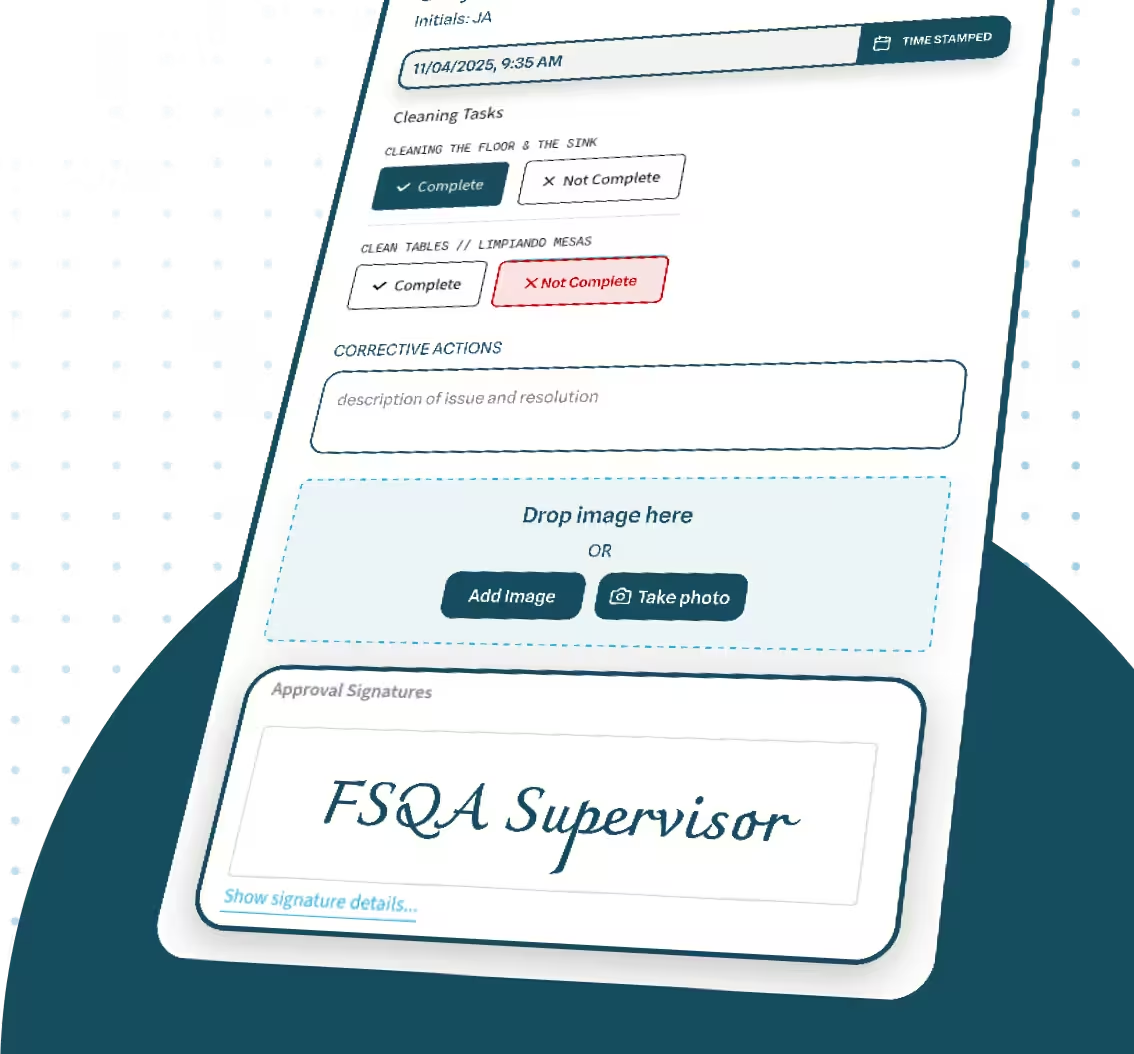
- Set up cloud storage, backup protocols, and digital audit/CAPA tools
This is the stage where compliance becomes operational rather than theoretical—systems begin capturing real data and enforcing consistency.
Phase 4: Training & Competency (Months 3–4)
No compliance program works without a trained workforce. Over these weeks, teams go through PCQI instruction, traceability and record-keeping training, allergen and sanitation protocols, recall execution practice, supplier audit techniques, and sustainability requirements.
Roles also become formalized. Most facilities assign a traceability coordinator, designate recall and communication leads, schedule internal audits, and allocate responsibility for monitoring regulatory updates. This turns the program into a functioning system with clear ownership.
Phase 5: Testing & Verification (Months 4–6)
Now the program is put to the test. Manufacturers conduct mock recalls for FTL products—aiming to pass the 24-hour retrieval requirement—run sanitation verification swabs, test for allergen cross-contact, and perform internal audits across departments. Supplier documentation is reviewed again for completeness, digital record retrieval is tested under real conditions, and CAPA processes are validated to ensure they actually resolve issues, not just log them.
This is where gaps surface before regulators or customers do the finding.
Phase 6: Continuous Improvement (Ongoing)
A future-proof compliance program is never static. Leading manufacturers maintain momentum through:
- Quarterly regulatory reviews (U.S., EU, UK)
- Annual mock recalls
- Monthly rotating internal audits
- Ongoing supplier verification
- Regular training refreshers
- Continuous technology optimization
- Alignment with major retailer requirements
This final phase ensures the program stays current, resilient, and aligned with 2026-level expectations.
Immediate Food Compliance Action Plan
This Week
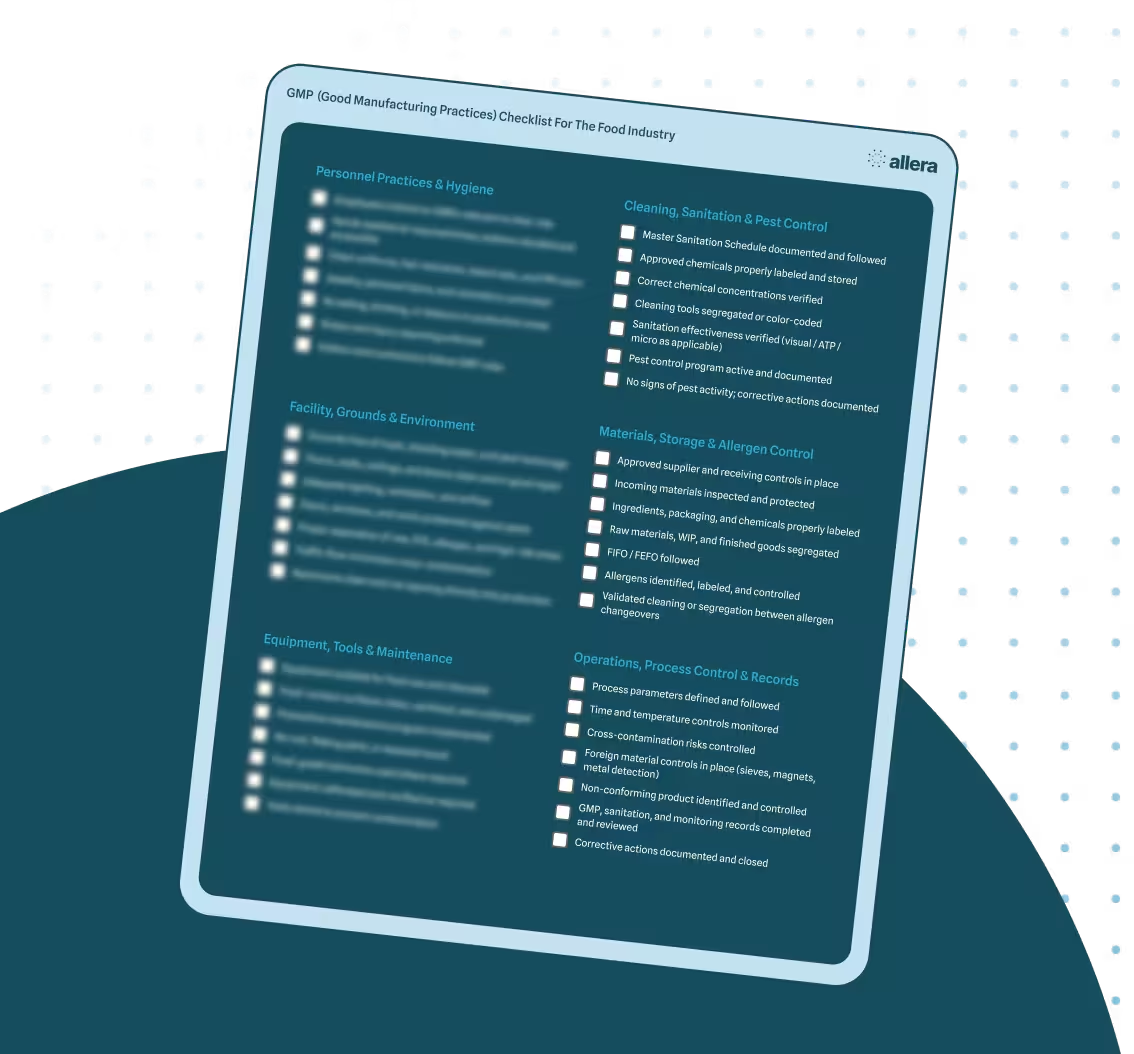
- Conduct gap analysis using the checklist above
- Identify FTL products in your portfolio
- Assemble cross-functional team (QA, operations, IT, procurement)
- Assign compliance coordinator to lead program development
- Schedule executive briefing on FSMA 204 implications
This Quarter
- Develop traceability plan with TLC methodology
- Begin digital migration of paper logs (sanitation, CCP, environmental)
- Launch supplier verification program with documentation requirements
- Update labeling review process for EU/UK/retailer compliance
- Deploy first phase of technology stack (prioritize traceability and digital forms)
- Conduct baseline mock recall to identify gaps
Before FSMA 204 Enforcement (July 2028)
- Complete digital traceability deployment with validated 24-hour retrieval
- Execute quarterly mock recalls with continuous improvement
- Finish internal audit program covering all five pillars
- Validate supplier compliance for critical materials
- Implement CAPA management system with closed-loop tracking
- Establish regulatory monitoring process with quarterly updates
- Prepare for third-party audits (regulatory, retailer, certification)
Conclusion - Food Regulatory Compliance as Competitive Advantage
The 2026 regulatory landscape represents a fundamental shift in how food and beverage manufacturers demonstrate operational excellence. Food industry regulatory compliance is no longer a defensive checkbox exercise—it's a strategic capability that:
- Protects consumers through rapid response and preventive controls
- Preserves brand value by preventing recalls and demonstrating responsibility
- Enables market access by meeting retailer and export requirements
- Builds resilience through digital systems and supply chain transparency
- Attracts investment by demonstrating ESG commitment
Manufacturers who view compliance as merely a cost center will struggle. Those who integrate food regulatory compliance into their operational DNA—with regulatory compliance software, proactive monitoring, and continuous improvement—will differentiate themselves in an increasingly demanding marketplace.
The time to act is now. FSMA 204 enforcement may be delayed, but retailer audits, customer expectations, and competitive pressures are not. Build your future-proof compliance program this quarter, not when an audit or recall forces your hand.
Start with the assessment checklist. Deploy digital systems. Train your team. Test your readiness. Then iterate and improve continuously.
Your brand reputation, operational continuity, and market position depend on it.
FAQs
.avif)
.avif)
.avif)
%20(1).avif)
.avif)
.avif)


.avif)

%20(1).png)

.avif)


.avif)