.avif)



Which Safety Practice will Prevent Biological Hazards in Food Manufacturing?


Biological hazards don’t fail quietly.
They shut lines down, spark recalls, and wreck trust.
The best defense isn’t more end-product testing—it’s one prevention practice embedded in every step of your process.
Read on to see exactly which practice stops pathogens at the source—and how to lock it in with time, temperature, and hygiene working for you, not against you
Understanding Biological Hazards in Food Manufacturing
In food safety, biological hazards represent one of the most significant hazards that food manufacturers face daily. These microscopic threats include bacteria, viruses, parasites, and other pathogenic microorganisms that can contaminate food products at any stage of production. For a closer look at the organisms that drive most outbreaks, see our guide to the Big 6 foodborne pathogens and the controls for each. For food safety managers, understanding the nature of these hazards forms the foundation of effective prevention strategies.
To understand which safety practice will best prevent biological hazards in your food manufacturing facility, we must understand the most common biological hazards in food manufacturing environments. These include:
- Salmonella
- E. coli
- Listeria monocytogenes
- Clostridium botulinum
These pathogens can enter your facility through various pathways, including raw materials, personnel, equipment, and environmental sources. What makes biological hazards particularly dangerous is their ability to multiply rapidly under favorable conditions, potentially reaching harmful levels within hours.
Types of Biological Contaminants
%2520(1)%2520(convert.io).webp)
Pathogenic bacteria
Pose the greatest risk in most food manufacturing operations. These organisms thrive in environments with adequate moisture, nutrients, and temperature ranges between 40-140°F (4-60°C) – commonly known as the "danger zone." Salmonella and E. coli are frequently associated with protein products, while Listeria monocytogenes presents unique challenges due to its ability to survive and grow at refrigeration temperatures.
Viruses
Norovirus and Hepatitis A primarily spread through infected food handlers, making personnel hygiene protocols critical. Unlike bacteria, viruses don't multiply in food but can survive on surfaces and in food products for extended periods.
Parasites and toxins
represent additional biological concerns, particularly in facilities processing seafood, fresh produce, or imported ingredients. Effective hazard analysis must account for all these potential contaminants to develop comprehensive prevention strategies.
Using HACCP for Biological Hazard Prevention in Food Manufacturing
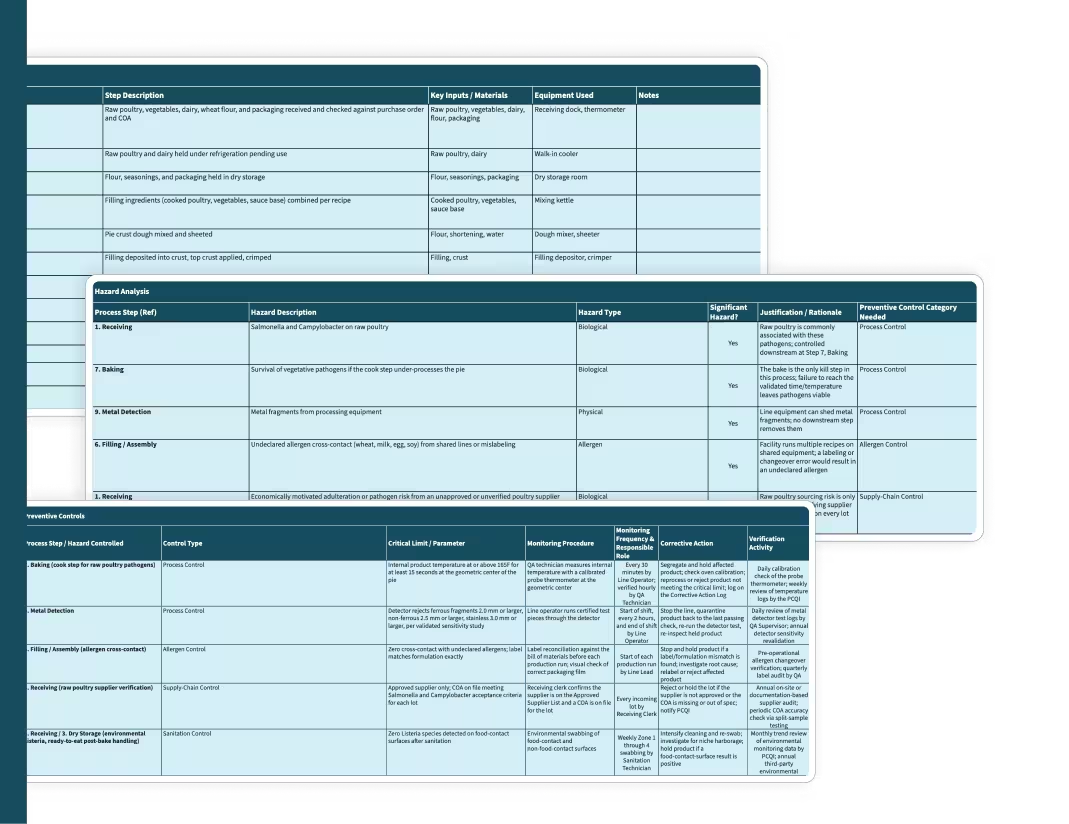
A robust hazard analysis system serves as the cornerstone of biological hazard prevention in food manufacturing. HACCP provides a systematic approach to identifying, evaluating, and controlling food safety hazards throughout your production process. This science-based methodology shifts focus from reactive testing to proactive prevention, significantly reducing the risk of biological contamination.
The first step in effective hazard analysis involves conducting a thorough assessment of your entire production flow. This means examining every ingredient, process step, and environmental factor that could introduce or amplify biological hazards. Food safety managers must consider not only obvious risks but also potential cross-contamination pathways and cumulative effects of multiple hazard sources.
Conducting Comprehensive Hazard Analysis
Ingredient assessment
Forms the foundation of your hazard analysis. Raw materials often carry the highest biological load entering your facility. Evaluate each ingredient's source, handling history, and intrinsic characteristics that might support pathogen growth. High-risk ingredients like raw proteins, fresh produce, and dairy products require enhanced scrutiny and specific control measures.
Process evaluation
Examines how each manufacturing step affects biological hazard levels. Critical factors include time-temperature relationships, pH levels, water activity, and oxygen exposure. Some processes eliminate hazards through heat treatment or acidification, while others might create conditions favorable for pathogen growth.
Establishing Critical Control Points
Critical Control Points (CCPs) represent process steps where biological hazards can be prevented, eliminated, or reduced to acceptable levels. Typical CCPs include thermal processing, pH adjustment, sanitation controls, and metal detectors address physical—not biological—hazards. Each CCP requires specific monitoring procedures, critical limits, and corrective actions to ensure effectiveness.
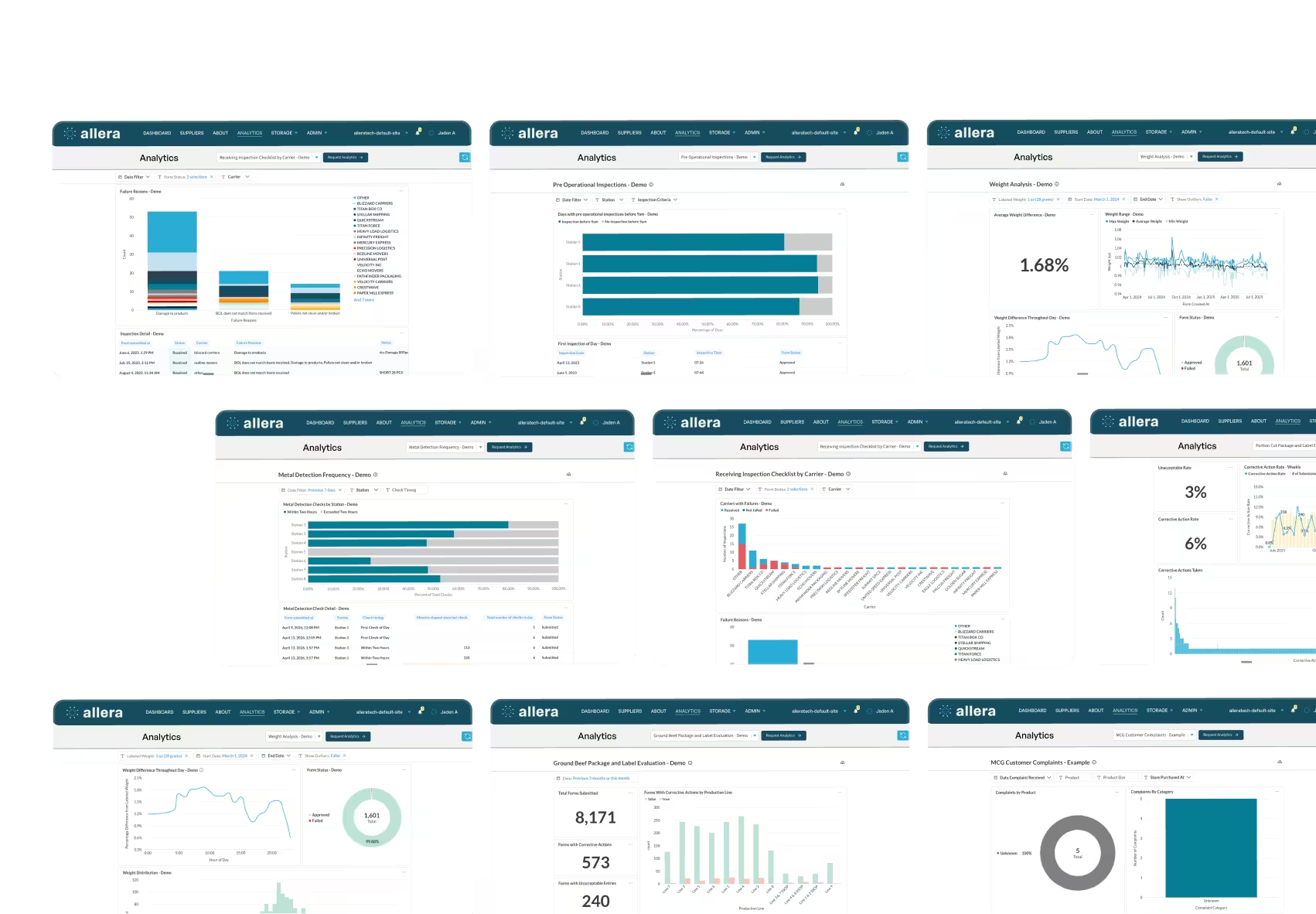
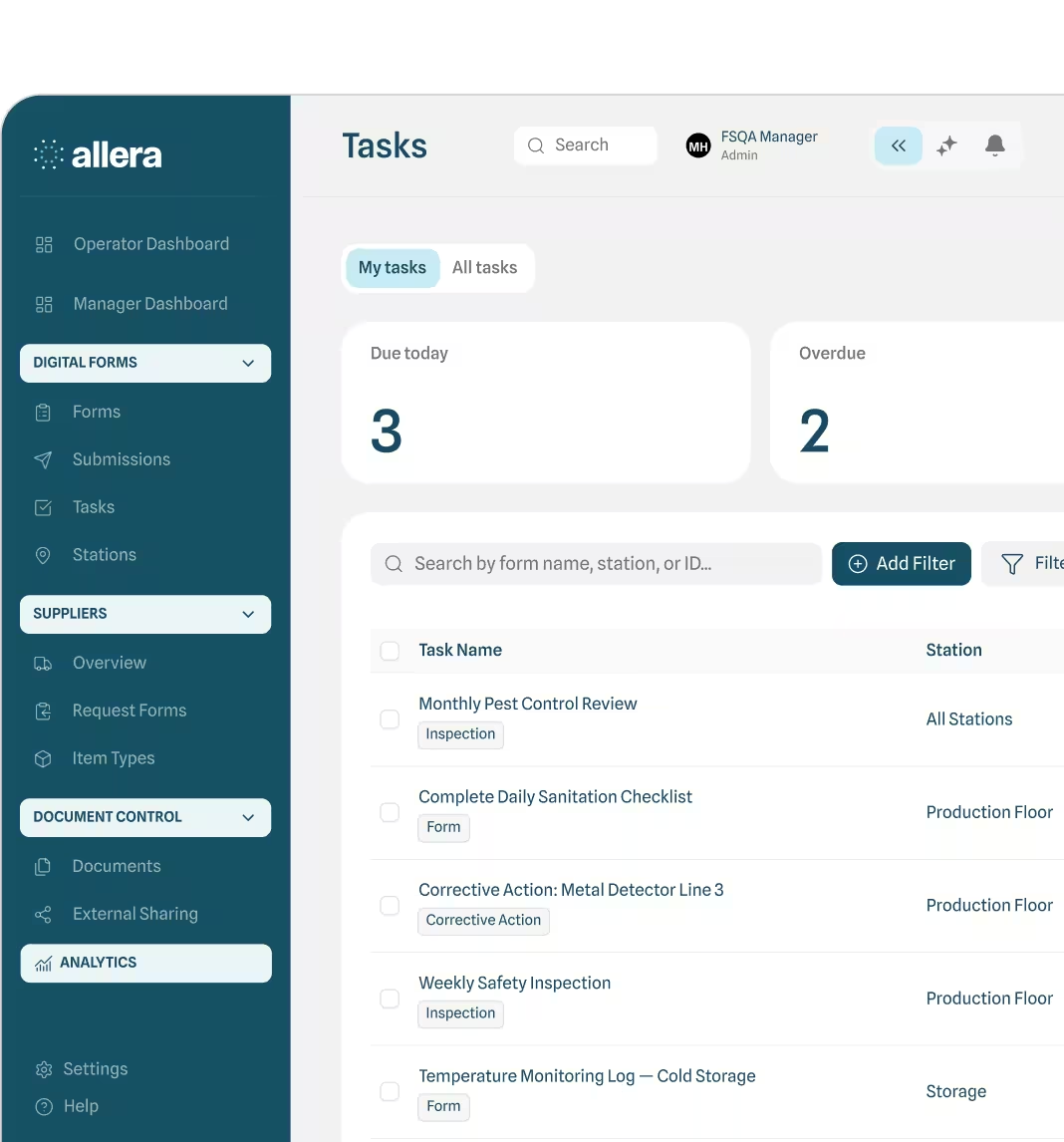
Effectively managing hazard analysis and CCP monitoring demands seamless coordination and accurate real-time data to identify risks before they become incidents. Allera offers a digital platform designed specifically to support these complex tasks by centralizing monitoring, simplifying documentation, and enabling swift corrective actions. This helps FSQA leaders maintain control over critical processes and confidently meet regulatory expectations.
Sanitation and Hygiene Protocols to Control Biological Hazards
Proper sanitation and hygiene protocols form the backbone of biological hazard prevention in food manufacturing facilities. These practices create multiple barriers against pathogen introduction and proliferation, significantly reducing the likelihood of contamination events. Effective sanitation goes beyond basic cleaning – it requires a systematic approach that addresses both visible soil removal and invisible microbial elimination.
The foundation of effective sanitation lies in understanding the difference between cleaning, sanitizing, and disinfecting. Cleaning removes visible soil and organic matter that can harbor pathogens, while sanitizing reduces microbial populations to safe levels. This two-step process is essential because sanitizers cannot penetrate organic soil effectively, making thorough cleaning a prerequisite for microbial control.
Personnel Hygiene Standards
Hand hygiene protocols
Washing hands represents the most critical aspect of personnel sanitation. Food handlers' hands serve as primary vectors for biological hazard transmission throughout your facility. Proper handwashing technique involves 20-second scrubbing with approved soap, followed by sanitizer application when appropriate. Hand contact surfaces, including door handles, equipment controls, and personal items, require regular sanitizing to prevent recontamination.
Personal protective equipment (PPE)
Creates additional barriers against biological hazards. Clean uniforms, hairnets, beard covers, and disposable gloves prevent personal contamination from reaching food products. However, improper glove use can actually increase contamination risk, making proper training essential for all personnel.
Equipment and Environmental Sanitation
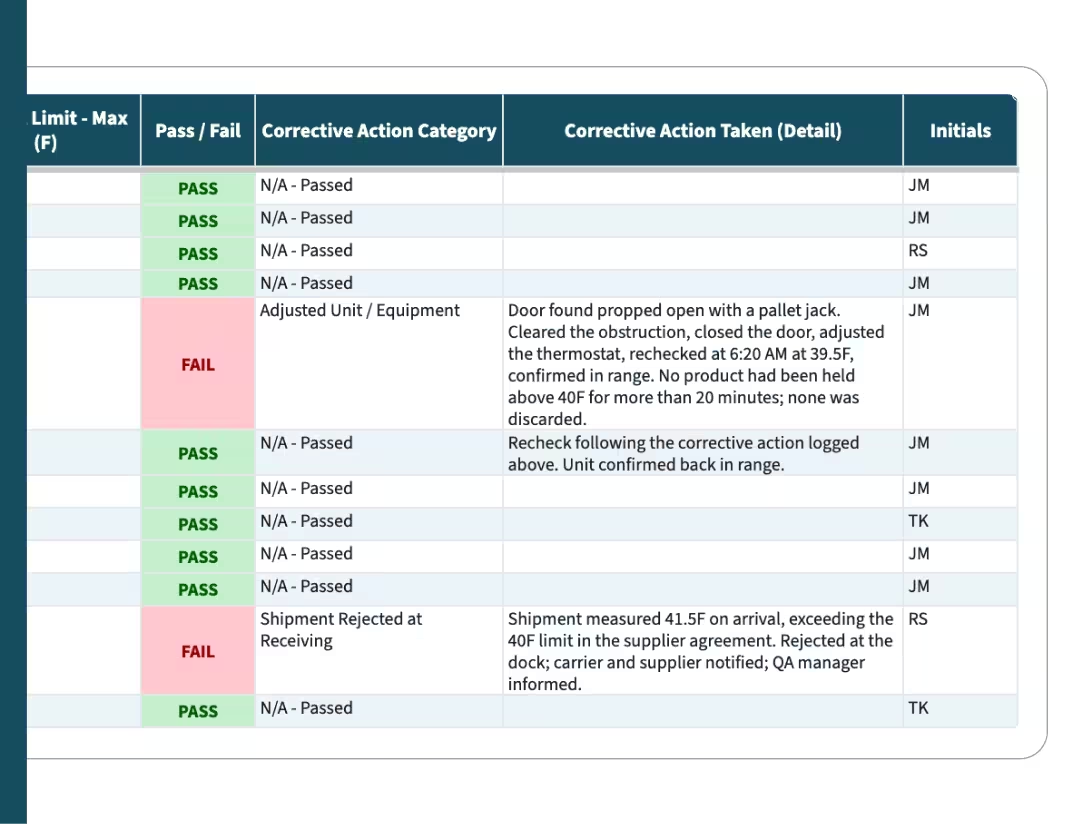
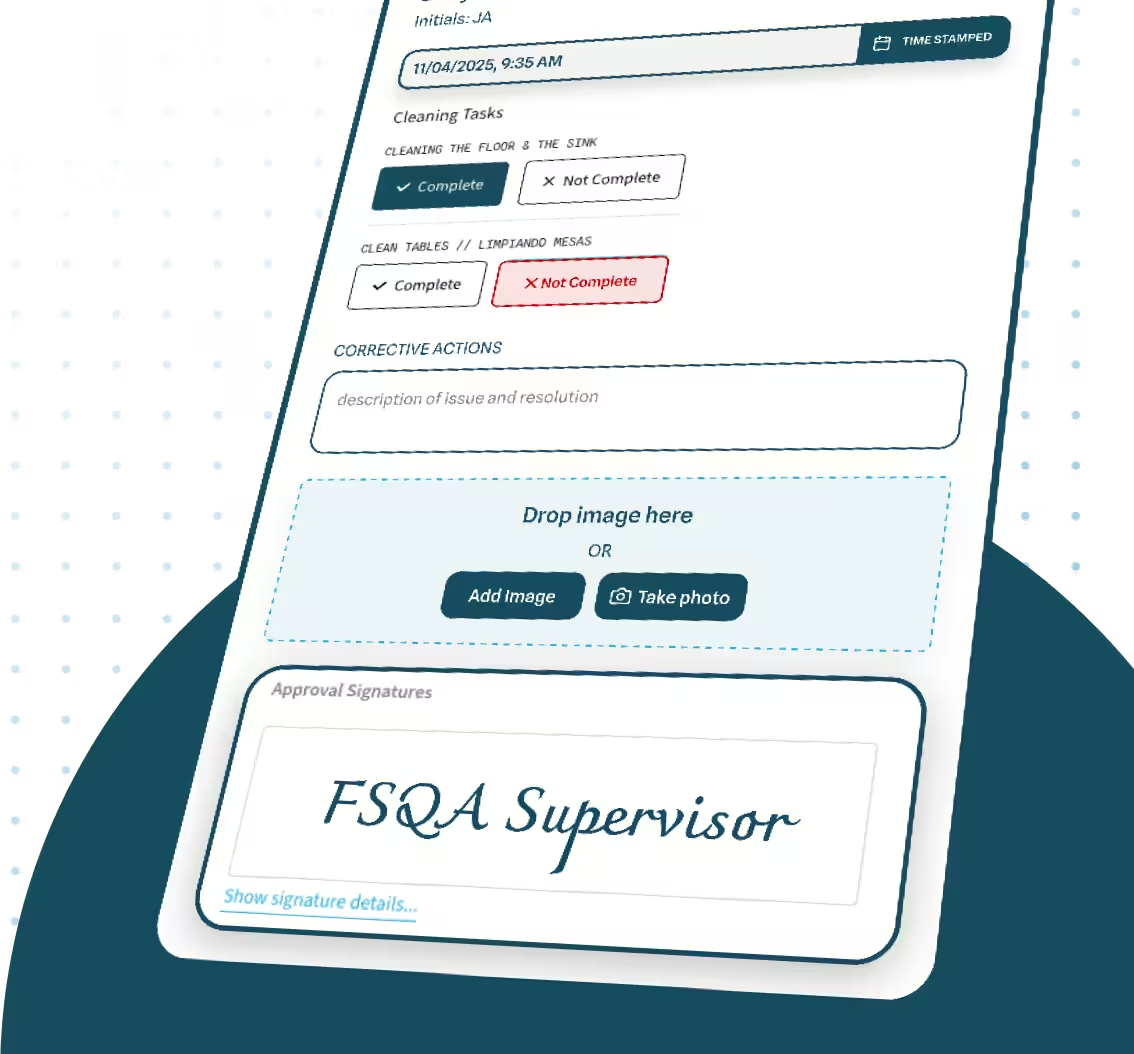
Cleaning and sanitizing schedules must address all food contact surfaces, with frequency determined by hazard analysis results. High-risk areas require more frequent attention, while low-risk zones may follow standard protocols. Documentation of sanitation activities provides verification that procedures are followed consistently and helps identify areas needing improvement.
Environmental monitoring programs verify sanitation effectiveness through targeted sampling of surfaces, air, and water systems. These programs help identify sanitation failures before they impact product safety.
Temperature Control and Thermal Processing to Eliminate Pathogens
%2520(1)%2520(convert.io).webp)
Temperature control represents one of the most effective methods for preventing biological hazards in food manufacturing. According to the FDA Food Code 2022, pathogenic bacteria multiply most rapidly in the temperature danger zone between 41°F and 135°F (5°C to 57°C). Maintaining proper temperatures throughout your production process creates hostile environments for food safety hazards and ensures product safety.
The USDA Food Safety and Inspection Service (FSIS) establishes specific thermal processing requirements for different food categories. These standards are based on decades of research demonstrating the relationship between time, temperature, and pathogen destruction. Understanding these scientific principles allows food safety managers to design effective control systems that consistently eliminate biological hazards.
Critical Temperature Thresholds
Pathogen destruction temperatures vary significantly among different microorganisms. According to USDA guidelines, Salmonella requires heating to 165°F (74°C) for poultry products, while E. coli O157:H7 in ground beef is eliminated at 160°F (71°C). Listeria monocytogenes presents unique challenges because it can survive and multiply at refrigeration temperatures, making proper cooking and reheating protocols essential.
Pasteurization standards, as outlined in the FDA's Grade "A" Pasteurized Milk Ordinance, demonstrate how precise time-temperature combinations achieve pathogen reduction while maintaining product quality. These same principles apply to other liquid food products in manufacturing environments.
Cold Chain Management
Refrigeration requirements mandate maintaining temperatures at or below 41°F (5°C) to prevent pathogen multiplication. The FDA Food Code specifies that potentially hazardous foods must be kept out of the danger zone except during necessary processing steps.
Freezing protocols effectively halt microbial growth but don't eliminate existing pathogens, making proper handling before freezing critical for overall safety.
Equipment Maintenance to Prevent Contamination and Biological Hazards
Proper equipment maintenance and monitoring systems create essential barriers against biological hazard introduction and proliferation in food manufacturing facilities. According to e-CFR – Title 21, Part 117, Subpart B (Current Good Manufacturing Practice) requirements for personnel and equipment), equipment must be designed, constructed, and maintained to facilitate cleaning and prevent contamination. This regulatory foundation emphasizes that equipment-related food safety hazards often stem from inadequate maintenance rather than initial design flaws.
The 3-A Sanitary Standards, developed cooperatively by academic institutions, regulatory agencies, and industry, provide detailed specifications for equipment design and maintenance in food processing environments. These standards ensure that equipment surfaces can be effectively cleaned and sanitized, preventing the accumulation of soil and microorganisms that could lead to biological contamination.
Preventive Maintenance Protocols
Scheduled maintenance programs must address both mechanical function and sanitary design integrity. Equipment components that contact food require more frequent inspection and maintenance than non-contact surfaces. Critical areas include gaskets, seals, and joints where biological hazards can accumulate and multiply if not properly maintained.
Calibration requirements for monitoring equipment ensure accurate measurement of critical control parameters like temperature, pH, and flow rates. The FDA Food Code mandates that monitoring instruments used in hazard analysis systems must be calibrated according to manufacturer specifications or industry standards.
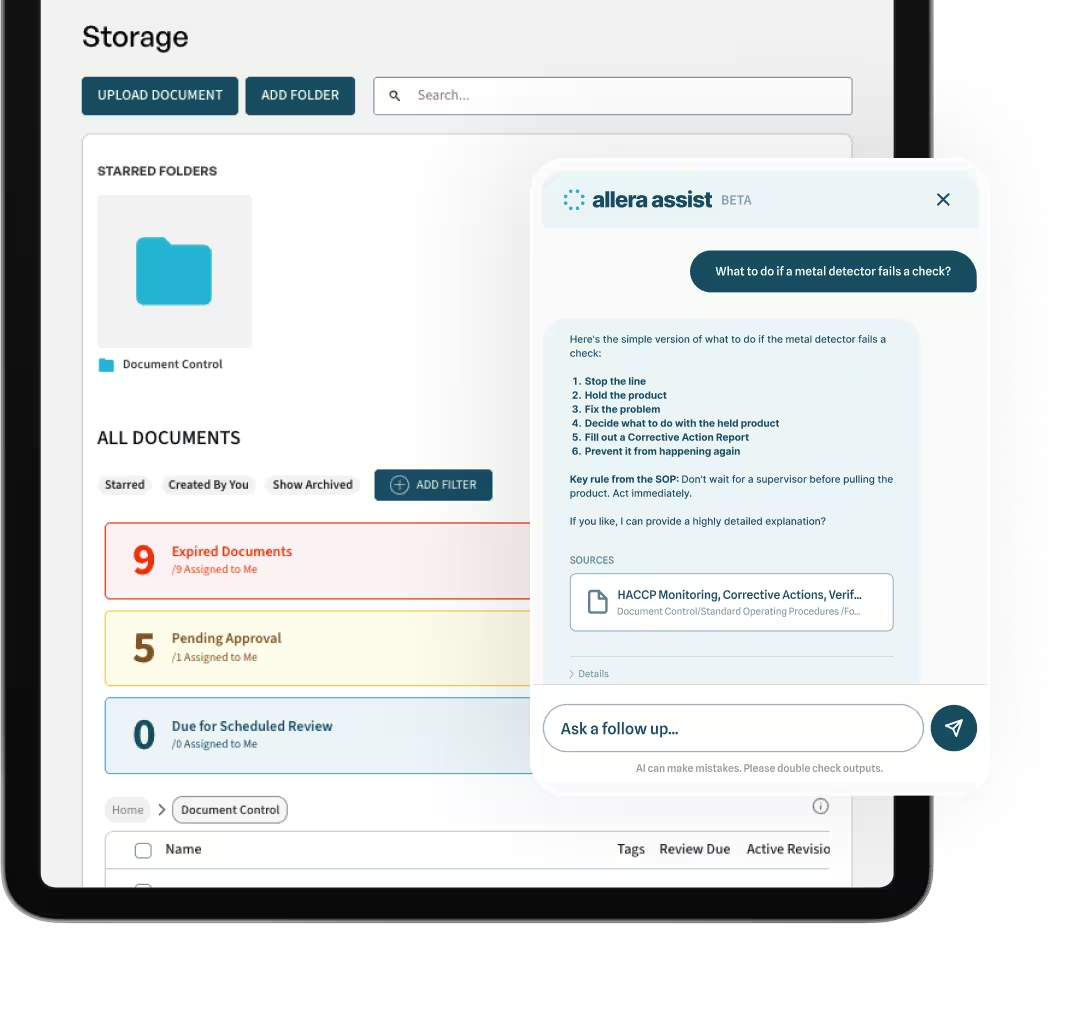
Platforms like Allera streamline equipment management by scheduling maintenance tasks, tracking sanitation cycles, and monitoring calibration data in one centralized system. This proactive approach supports consistent equipment integrity, reducing the risk of biological hazards caused by equipment failures or sanitation lapses.
Clean-in-Place (CIP) Systems
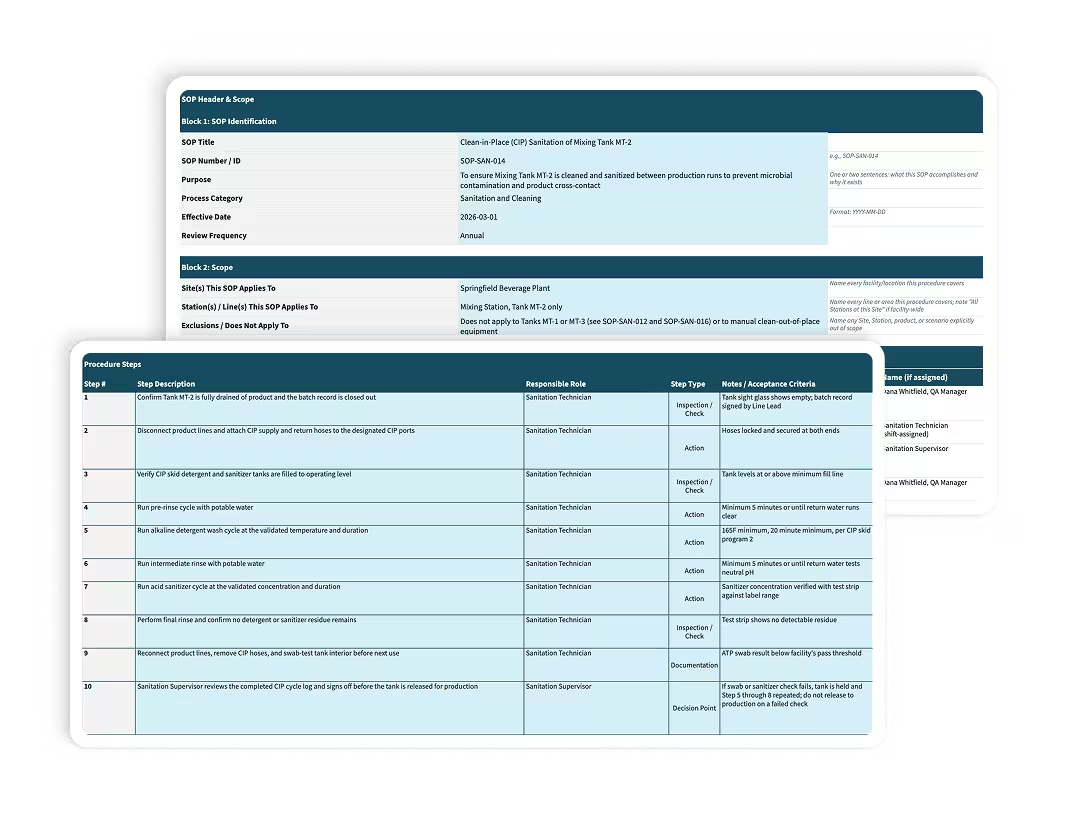
CIP system effectiveness depends on proper chemical concentrations, contact time, temperature, and mechanical action. Research published in the Journal of Food Protection demonstrates that inadequate CIP procedures can create biofilm formation sites where pathogens like Listeria monocytogenes can persist and contaminate subsequent production runs.
Water quality monitoring for CIP systems requires regular testing for microbial contamination, chemical residues, and physical parameters that could compromise cleaning effectiveness.
Food Safety Training to Minimize Human-Based Contamination Risks
Employee training and education form critical foundations for preventing biological hazards in food manufacturing operations. According to FDA CFR 21 Part 117, all employees must be trained to ensure food safety appropriate to their duties, including food hygiene and food safety training that details the importance of employee health and personal hygiene. This regulatory requirement recognizes that human factors represent one of the primary vectors for food safety hazards introduction and spread throughout manufacturing facilities.
The Food Safety Modernization Act (FSMA) introduced comprehensive training requirements with different levels based on employee roles: basic employees require food hygiene training, supervisors need additional oversight training, and Qualified Individuals must complete specialized curricula or demonstrate equivalent job experience. This tiered approach ensures that training intensity matches responsibility levels within your hazard analysis system.
Training Program Components
Basic employee training must cover fundamental food safety principles that directly impact biological hazard prevention:
- Personal hygiene practices and handwashing techniques
- Recognition of contamination risks and reporting procedures
- Proper use of personal protective equipment
- Understanding of temperature danger zones and time limits
- Allergen awareness and cross-contamination prevention
Supervisor training requirements expand beyond basic food safety to include oversight responsibilities and corrective action procedures when deviations occur.
Documentation and Compliance
Training records must be maintained demonstrating the date of training, type of training conducted, and which employees participated. These records serve as evidence of compliance during regulatory inspections and help identify gaps in your training program.
%2520(1)%2520(convert.io).webp)
Ongoing education ensures training effectiveness through regular refresher sessions, updates on new hazards, and performance monitoring to verify knowledge retention.
Supplier Verification and Incoming Material Controls for Food Safety
Effective supplier verification programs create the first line of defense against biological hazards entering your food manufacturing facility. Under FDA's Foreign Supplier Verification Program (FSVP) regulations, importers of foreign food must implement written verification procedures. Domestic food manufacturers must comply with 21 CFR Part 117 Subpart G, which requires a supply-chain program when hazards are controlled by suppliers. This regulatory framework extends your hazard analysis beyond facility walls to encompass the entire supply chain.
The complexity of modern food supply chains means that biological hazards can originate from multiple sources before reaching your facility. Raw agricultural products may carry field contamination, while processed ingredients could introduce hazards from upstream manufacturing operations. Understanding these risk profiles enables targeted verification strategies that address the most significant food safety hazards in your supply base.
However, managing supplier verification often involves handling numerous document requests and tracking responses—a process that can be time-consuming and prone to errors. Allera’s platform streamlines supplier verification by automating requests and monitoring submissions, allowing you to confidently ensure all required safety information is complete before materials enter production. See our case study on how Wildway automated supplier management with Allera, transforming their verification process from labor-intensive and repetitive to fully automated and hands-free.
Risk-Based Supplier Assessment
Supplier risk categorization forms the foundation of effective verification programs. High-risk suppliers include those providing:
- Raw proteins and dairy products with inherent pathogen risks
- Fresh produce from regions with water quality concerns
- Ingredients from facilities with limited food safety infrastructure
- Products with complex processing histories or multiple ingredient sources
Audit requirements vary based on risk levels, with high-risk suppliers requiring more frequent on-site evaluations and enhanced documentation review.
Incoming Material Testing
Sampling protocols must reflect both regulatory requirements and your facility's risk assessment results. Critical testing parameters include:
%2520(1)%2520(convert.io).webp)
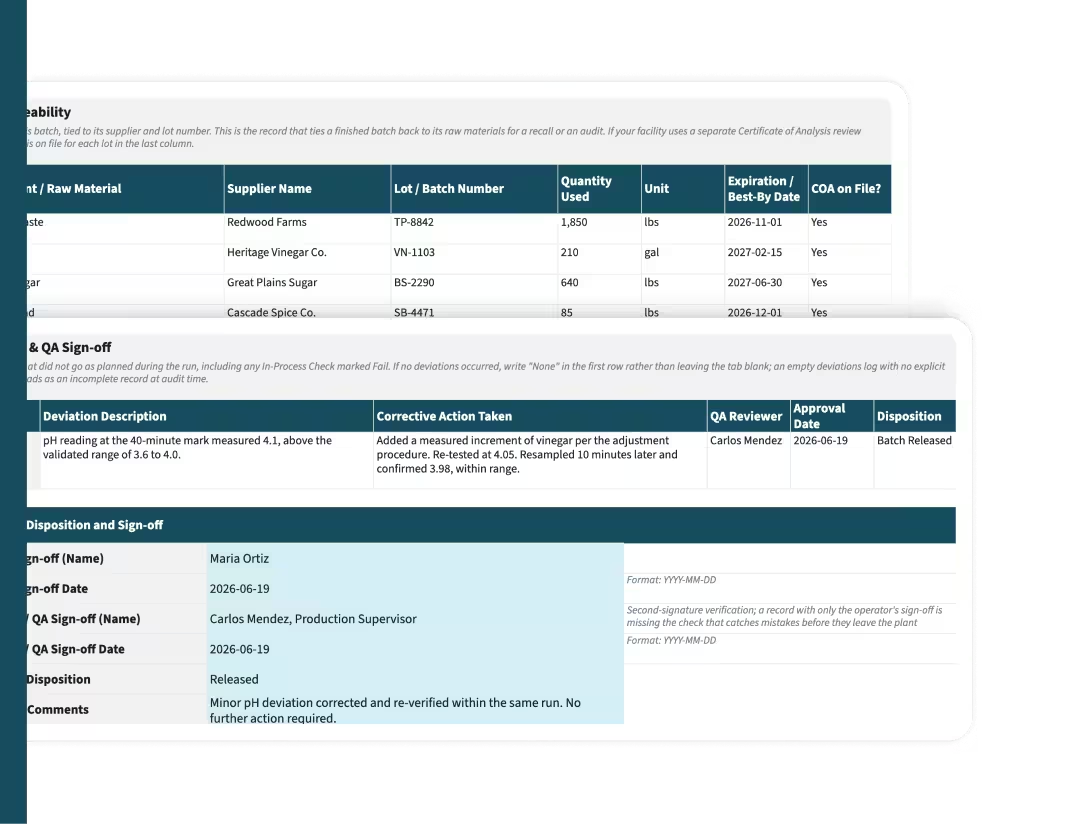
Certificate of Analysis (COA) verification ensures supplier testing aligns with your specifications and regulatory standards. Discrepancies between COA results and your testing indicate potential supplier control issues requiring immediate investigation.
Hold-and-release programs prevent potentially contaminated materials from entering production until test results confirm safety standards are met.
Water and Environmental Controls to Prevent Pathogen Spread
Water quality management represents a fundamental component of biological hazard prevention, as contaminated water can introduce pathogens throughout your manufacturing operation. According to FDA CFR 21 Part 117.37, water that contacts food, food-contact surfaces, or ingredients must be safe, suitable for its intended use, and of adequate sanitary quality. This includes water used for cleaning equipment, making ice, and all processing applications where contamination could occur.
Environmental controls extend beyond water systems to encompass air quality, pest management, and facility design elements that influence biological hazard proliferation. The EPA Safe Drinking Water Act establishes baseline water quality standards for municipal water supplies, but food manufacturers often implement more stringent internal controls and monitoring tailored to their specific operations.
Monitoring Your Water System
Potable water testing must address both microbial and chemical parameters that could impact food safety:
- Microbiological testing: Total coliforms, E. coli, heterotrophic plate count
- Chemical analysis: Chlorine residuals, pH, heavy metals, pesticide residues
- Physical parameters: Turbidity, temperature, pressure consistency
Testing frequency should be determined by a written water monitoring program based on risk assessment, with municipal supplies generally requiring less frequent testing than private wells or surface water sources.
Air Quality and Environmental Controls
HVAC system design prevents airborne contamination through proper filtration and positive pressure maintenance in production areas. HEPA filtration may be required for high-risk operations or when processing ready-to-eat products vulnerable to environmental contamination.
Pest control programs eliminate biological hazard vectors through:
- Integrated pest management (IPM) strategies
- Regular monitoring and documentation
- Exclusion methods preventing pest entry
- Targeted treatments using food-safe materials
%2520(convert.io).webp)
Environmental monitoring programs track pathogen presence on non-food contact surfaces, helping identify potential contamination sources before they impact product safety. This proactive approach supports your overall hazard analysis by providing early warning of environmental control failures.
Conclusion
These 7 food safety practices will give you the best chance at preventing biological hazards in your food manufacturing facility. They require comprehensive, integrated approaches that combine regulatory compliance with proactive risk management.
From implementing robust hazard analysis systems and temperature controls to maintaining effective sanitation protocols and supplier verification programs, each safety practice reinforces the others to create multiple barriers against food safety hazards.
Success depends on:
- well-trained personnel
- properly maintained equipment
- documented procedures that demonstrate consistent implementation
By establishing these interconnected safety practices as standard operating procedures, food manufacturers can significantly reduce biological contamination risks while ensuring regulatory compliance and protecting consumer health.
FAQs

.avif)
.avif)
.avif)

.avif)
%20(1).avif)
.avif)
.avif)

%20(1).png)

.avif)



.avif)