.avif)



Food Safety Software: Buyers Guide for 2026

Key Takeaways
- Food manufacturers are dealing with stricter audits, growing FSMA requirements, and mountains of documentation that paper systems can't handle anymore
- Modern food safety software cuts audit risk, eliminates paperwork nightmares, and gives you real traceability when you need it
- The right platform brings together quality assurance, supplier compliance, documentation, and plant-floor execution in one place
- Pricing depends on your modules, number of sites, and support needs—expect different tiers whether you're a small operation or running multiple facilities
- Look for platforms that deliver end-to-end compliance coverage, are actually easy to use, and have strong supplier and document control features
Introduction
Let's be honest: audits are getting tougher. Retailers want faster traceability responses. FSMA regulations keep expanding. And if you're managing multiple sites, you're probably buried in documents, emails, and spreadsheets that should have been retired years ago.
2026 is the year food manufacturers need to stop patching together compliance with paper systems and random digital files. It doesn't work anymore, and it's putting your operation at risk.
This guide walks you through what food safety software actually does, how to pick the right platform for your operation, and what to expect when you implement it. No fluff—just the information QA managers and directors need to make a smart decision.
What Is Food Safety Software?
Food safety software is a digital platform that brings together your entire food safety program: documentation, plant-floor monitoring, supplier compliance, traceability, and audit preparation. Instead of juggling binders, PDFs across different folders, and endless spreadsheets, your team manages everything in one system.
The whole point is simple: reduce risk, make compliance easier, and give you fast, reliable visibility into what's happening across your operation.
Think of it as replacing the chaos of disconnected tools with a single source of truth:
- When an auditor asks for records, you pull them up in seconds instead of scrambling through file cabinets
- When a supplier's COA is about to expire, the system alerts you automatically
- When there's a deviation on the production floor, corrective actions get assigned and tracked without anyone falling through the cracks
For QA managers running lean teams, this isn't about luxury features—it's about keeping up with regulatory demands without burning out your staff.
The Problems Food Safety Software Solves
Paperwork and Documentation Chaos
Paper logs get lost. Email chains become impossible to track. Spreadsheets live on different computers with different versions. Software centralizes everything into one system where nothing falls through the cracks.
You know the drill:
- Someone needs last month's sanitation logs, and suddenly you're digging through three different binders
- You find them but half the signatures are missing
- Different versions exist on different computers
- Email chains with attachments are impossible to search
Food safety software eliminates that entire nightmare.
Audit Stress and Missing Records
The worst part of an audit shouldn't be finding your records. With instant retrieval, you can pull up any document, form, or log in seconds instead of spending the night before an audit hunting down paperwork.
Modern platforms let you filter by date, product lot, facility, or form type. An auditor asks about your allergen cleaning verification from October 15th? You have it on screen in under 30 seconds.
Supplier Document Headaches
Missing certificates of analysis. Expired certifications. Chasing suppliers for documents they swear they already sent. Automated requests and expiration reminders make all of this go away.
The system handles the heavy lifting:
- Tracks what you need from each supplier
- Monitors when documents expire
- Automatically sends reminders before deadlines
- Provides a dashboard showing exactly which suppliers are compliant and which need attention
No more manual tracking in spreadsheets.
For teams focused on vendor compliance, our guide to the 7 best supplier quality management tools for FSQA covers the leading options.
Slow Traceability
When you need to trace a lot, digital records give you near-instant answers instead of piecing together paper trails across receiving, production, and shipping.
Inconsistency Across Multiple Sites
If you're running more than one facility, you know the pain of trying to keep everyone on the same page. Standardized digital forms, SOPs, and workflows ensure every location follows the same processes the same way.
One facility shouldn't be doing things differently just because they're using a different version of your SOP or because they didn't get the memo about the new procedure. Software locks in consistency.
Manual QA Follow-Up Work
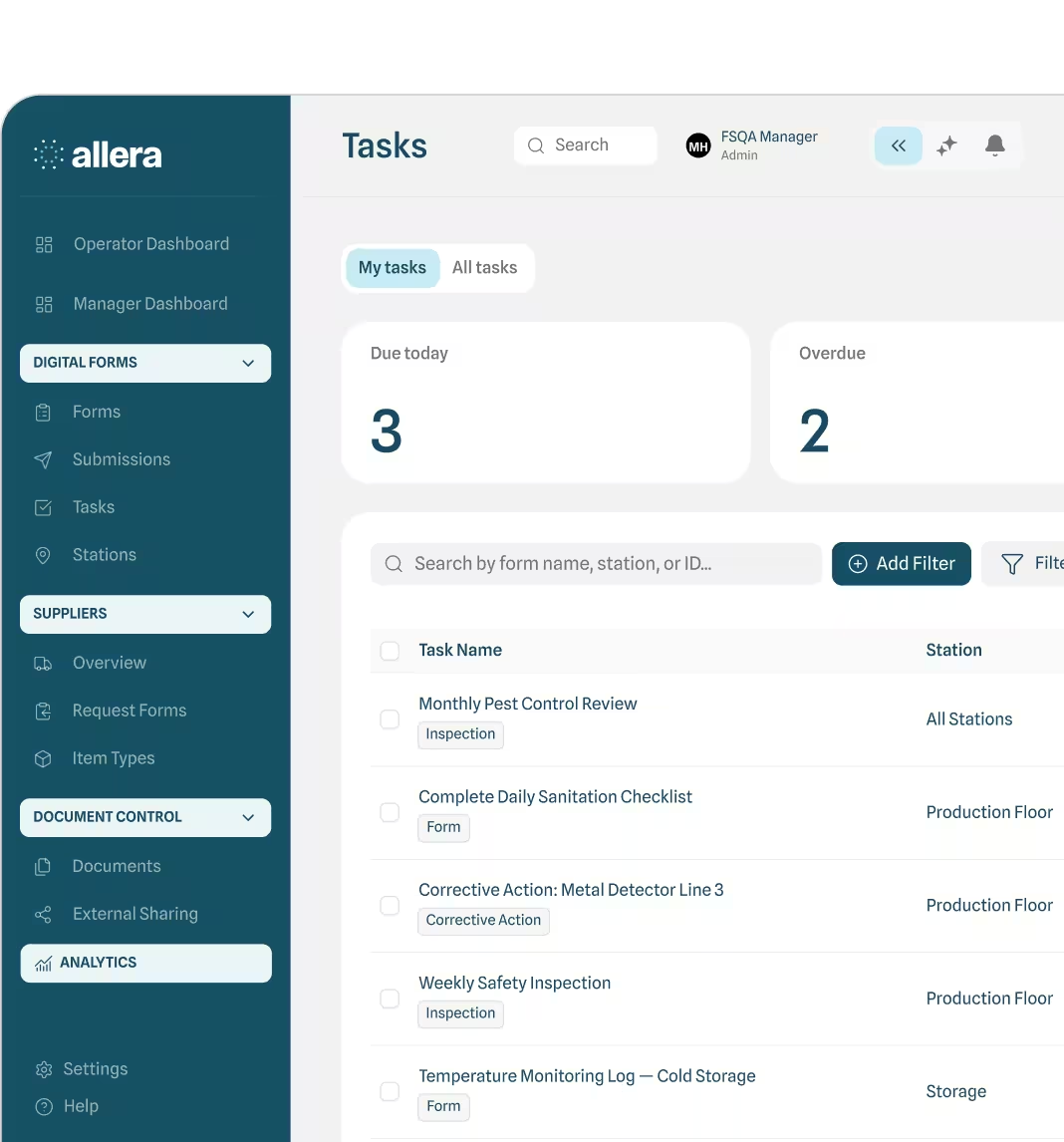
Constantly chasing people to complete corrective actions or verify tasks is exhausting. Automatic notifications and task assignments replace the endless follow-up emails and check-ins.
The system knows who's responsible for what, when it's due, and sends reminders automatically. You get visibility into what's done and what's overdue without having to ask.
SOP Version Control Problems
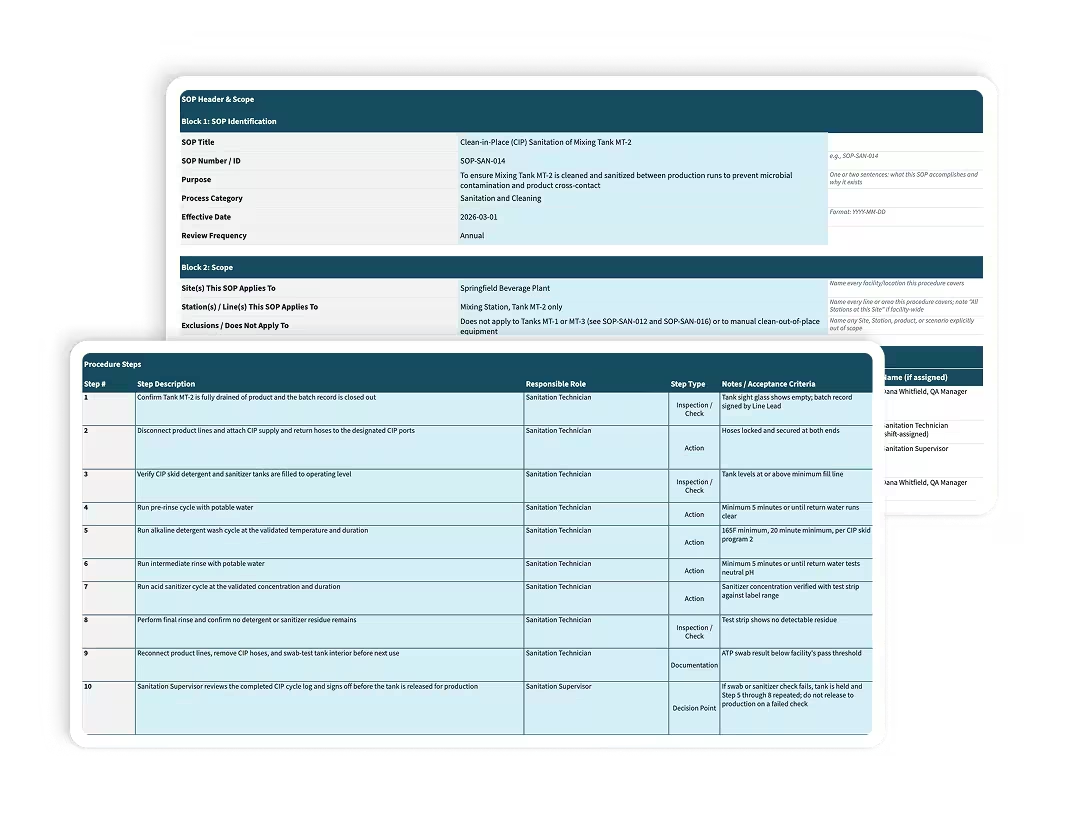
Using outdated SOPs on the plant floor creates compliance gaps and confusion. Secure version control ensures everyone always has access to the current, approved document—and you can prove it during an audit.
Old versions get archived automatically, and you have a complete history of who approved what and when. No more wondering if the team is following the right procedure.
Types of Food Safety Software
This is where it gets interesting. Food safety software isn't one-size-fits-all. Different platforms focus on different parts of your program, and understanding the categories helps you figure out what you actually need.
Food Safety Management Systems (FSMS)
These are comprehensive platforms that cover your entire food safety program: documentation, workflows, monitoring, and oversight. If you need a system that handles multiple aspects of compliance instead of just one piece, an FSMS is what you're looking for.
FSMS platforms typically include:
- Document control and SOP management
- Supplier management and approval
- Corrective action tracking
- Training documentation and acknowledgment
- Audit preparation and record retrieval
They're built for teams that want one platform to run their entire food safety program instead of stitching together multiple tools.
Best for: Mid-size to large manufacturers who need full program coverage and want to consolidate tools.
Food Quality Management Software
Quality management systems add deeper capabilities around CAPA (corrective and preventive actions), quality control inspections, non-conformances, and deviation tracking. If your operation has a strong quality focus beyond just food safety compliance, these platforms offer more robust investigation and root-cause analysis features.
The line between food safety and quality management software is blurry—many modern platforms cover both. The key difference is that quality-focused systems emphasize continuous improvement workflows and statistical process control.
Best for: Operations with dedicated quality teams that need structured problem-solving and improvement tracking.
Digital Forms and Checklist Tools
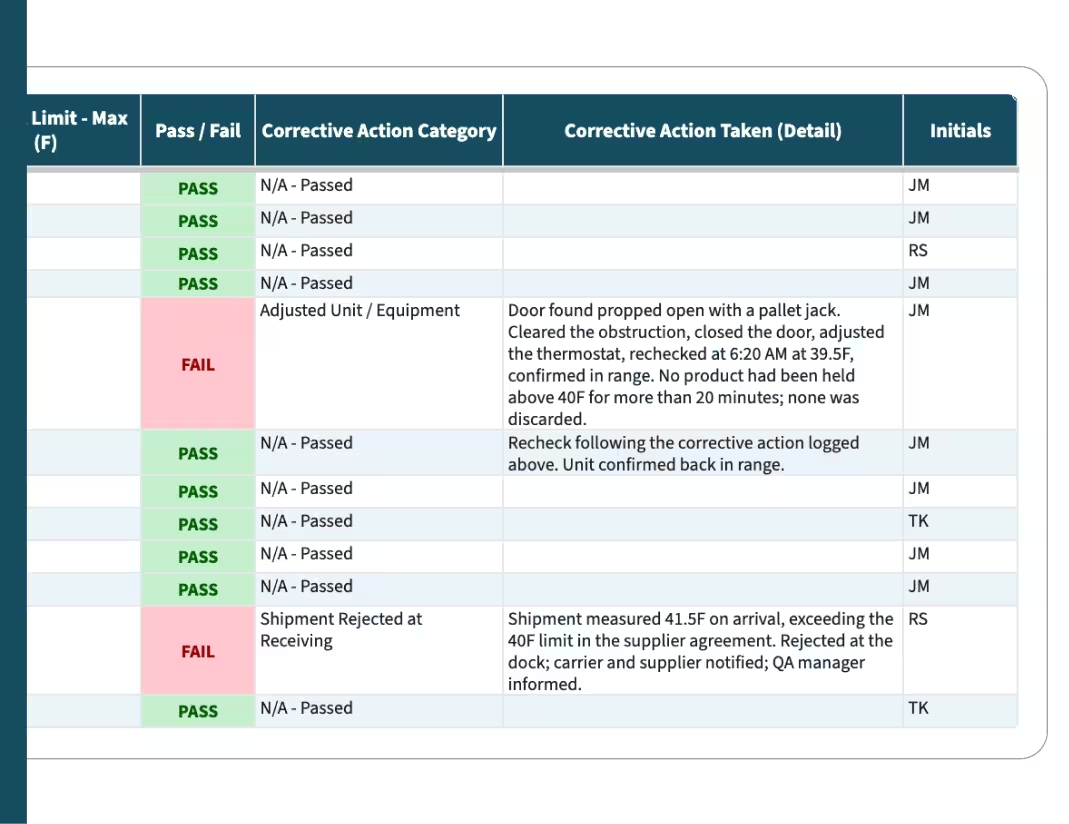
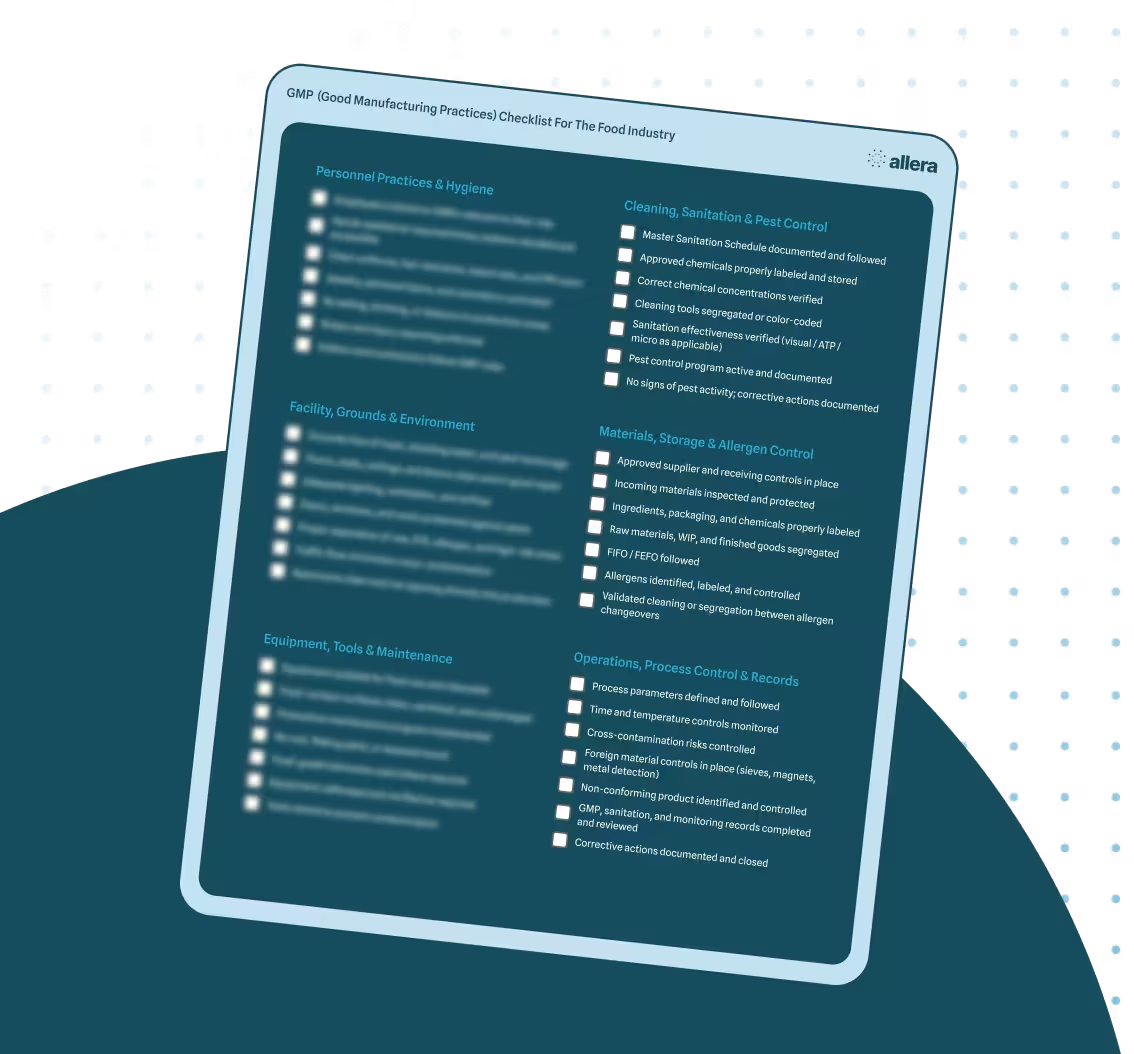
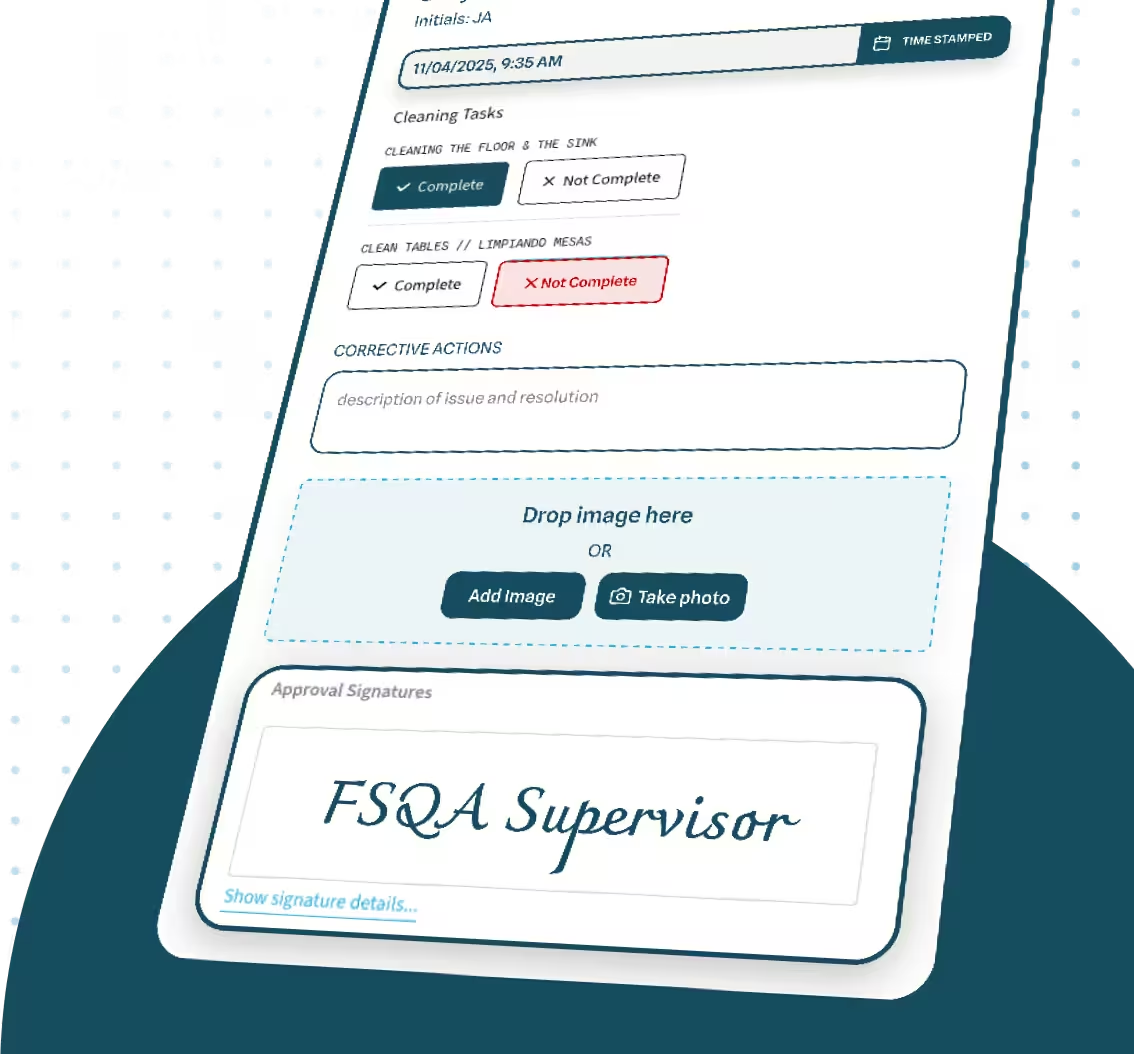
These replace paper logs, checklists, and verification records with mobile-friendly digital versions. Think sanitation logs, temperature checks, receiving inspections, and pre-op verifications.
Digital form tools are often the easiest place to start digitizing because the ROI is immediate: no more lost paperwork, automatic time stamps, and photo documentation built in. Many include basic corrective action workflows when checks fail.
Best for: Teams currently using paper forms who want a quick win with digitization.
Document Control Systems
These platforms manage your SOPs, work instructions, policies, and procedures. They handle version control, approval workflows, revision tracking, and training acknowledgment.
Document control is critical for compliance but often gets overlooked until an audit reveals gaps. The right system ensures you can prove who has been trained on which version of each document—and that outdated versions aren't accessible on the floor.
Best for: Organizations struggling with SOP version control, approval processes, or training documentation.
HACCP and CCP Monitoring Tools
Specialized platforms for managing your HACCP plan, monitoring critical control points, tracking critical limits, and escalating when limits are exceeded. These systems often integrate with sensors and monitoring equipment for real-time alerts.
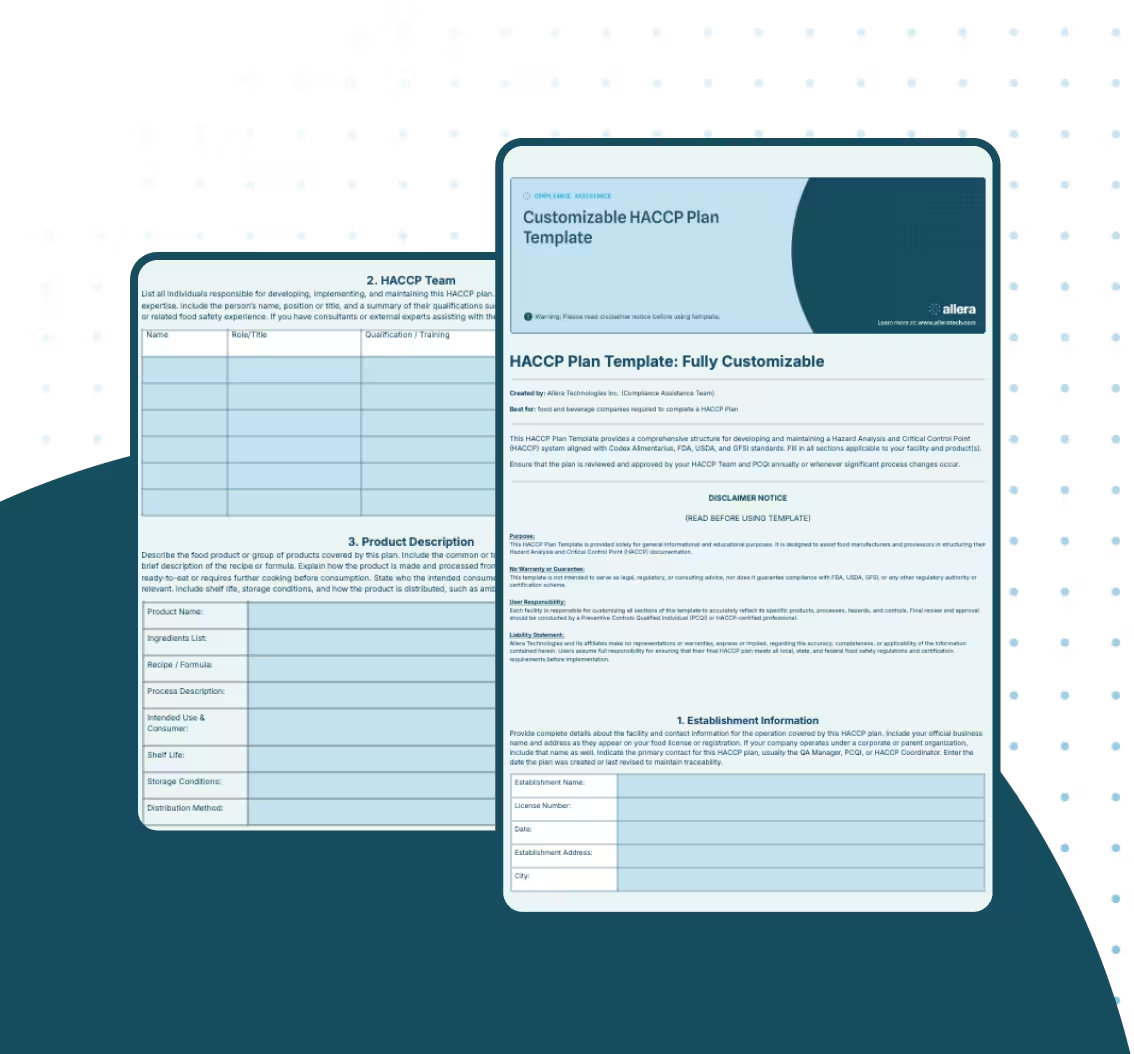
If your operation has multiple CCPs or complex HACCP requirements, dedicated monitoring tools provide more depth than general-purpose systems. They're built specifically for managing hazards, critical limits, and corrective actions when those limits are breached. If this sound like what you're looking for, check out our comprehensive list of the top 7 best HACCP compliance software platforms for 2026.
Best for: Facilities with complex HACCP programs or operations that need real-time CCP monitoring.
Food Traceability Software
Food Traceability platforms track ingredients, lots, and product movement from receiving through production to shipping. The goal is fast, accurate lot-level visibility when you need to trace forward or backward.
Best for: Manufacturers dealing with complex formulations, high-risk products, or strict retailer traceability requirements.
Supplier Management Platforms
These supplier management systems focus specifically on collecting and tracking supplier documentation: certificates of analysis, certifications, audit reports, and allergen statements. Automated expiration tracking and document requests keep your supplier approval program running smoothly.
Supplier compliance is one of the most time-consuming parts of a QA manager's job. The right platform dramatically reduces the manual work of chasing documents and tracking expirations. If any supplier management takes up a big part of your time, check out our list of the 7 best food supply chain software for food and beverage.
Best for: Operations with large supplier bases (20-30+ suppliers) or strict retailer requirements for supplier documentation.
FSMA Compliance Software
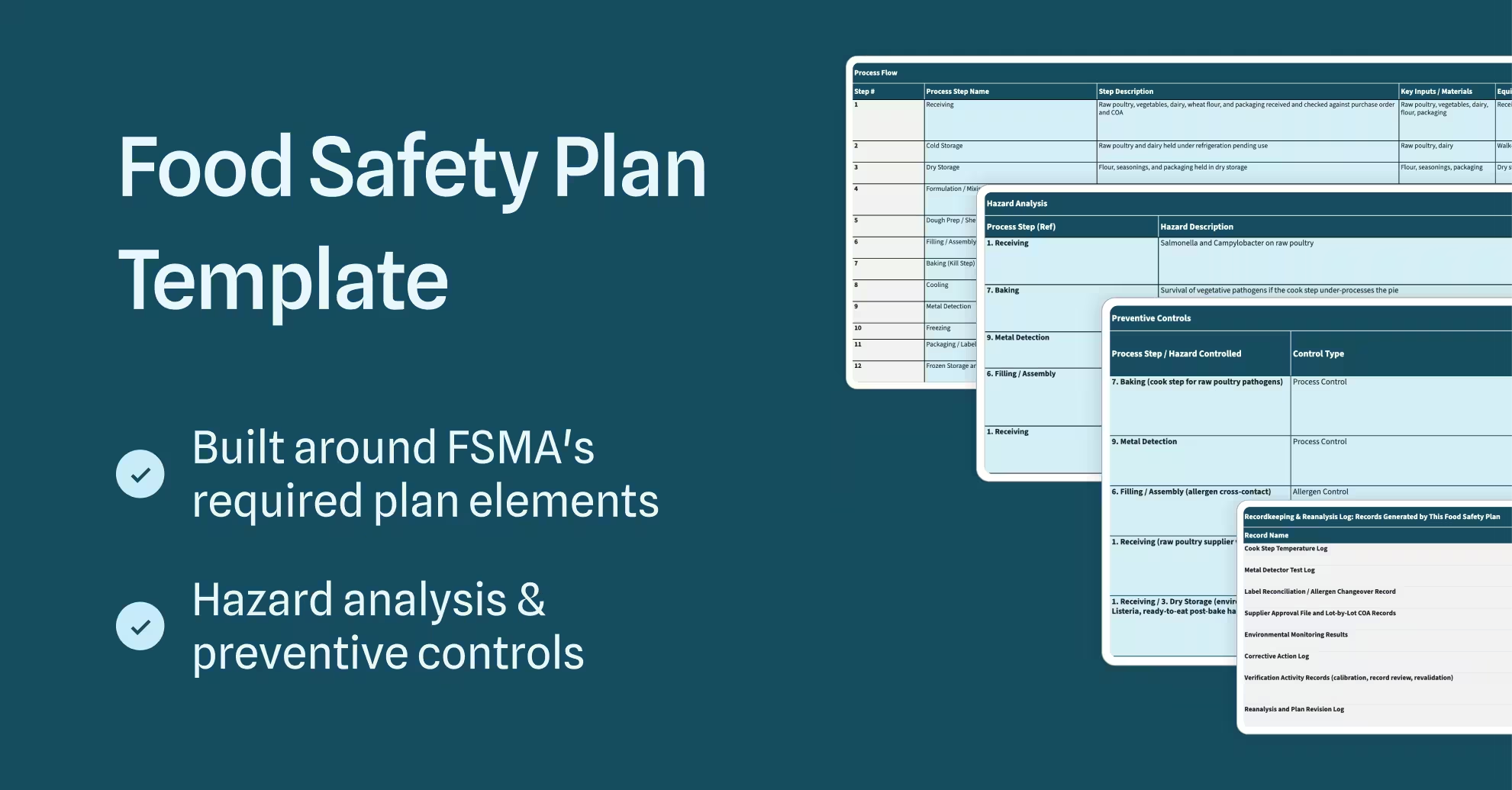
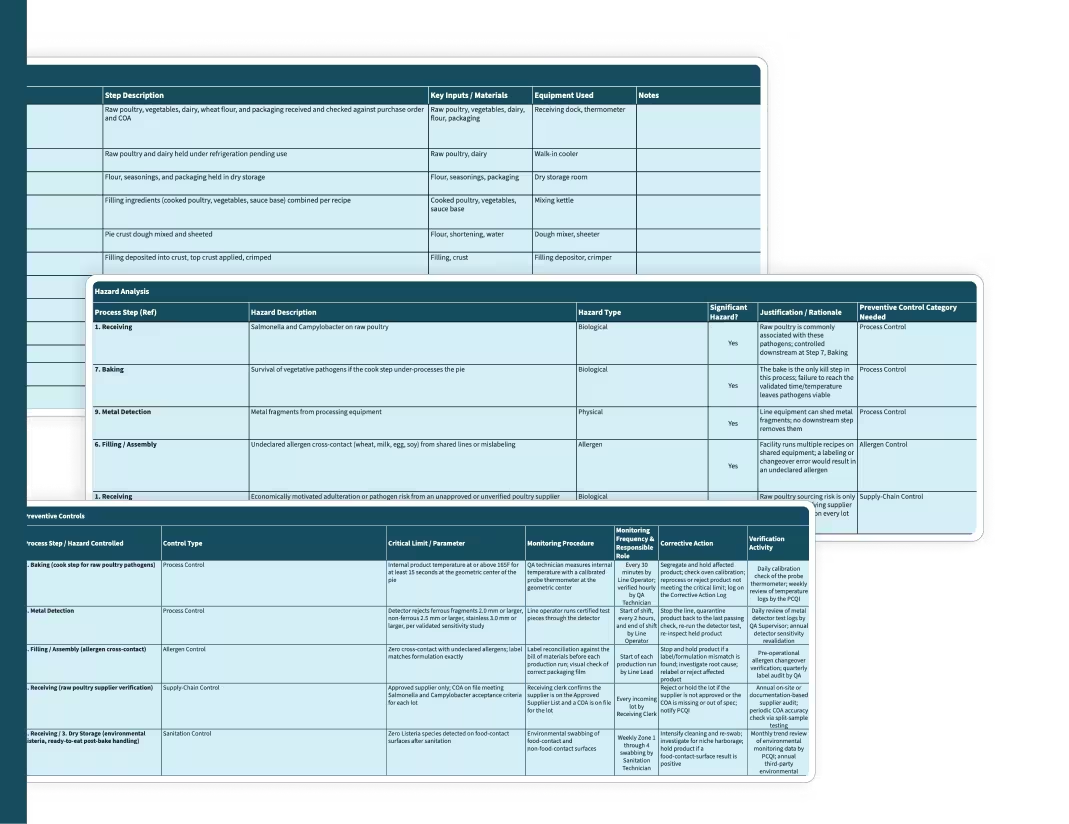
FSMA-focused platforms help manufacturers meet the requirements of the Food Safety Modernization Act, including preventive controls, supply chain programs, hazard analysis, and recordkeeping. These systems often include tools for monitoring, verification, environmental sampling logs, and traceability workflows aligned with FSMA expectations.
FSMA platforms typically support:
• Preventive controls documentation
• Supply chain program validation
• Food safety plan maintenance
• Verification and monitoring logs
• Environmental monitoring programs
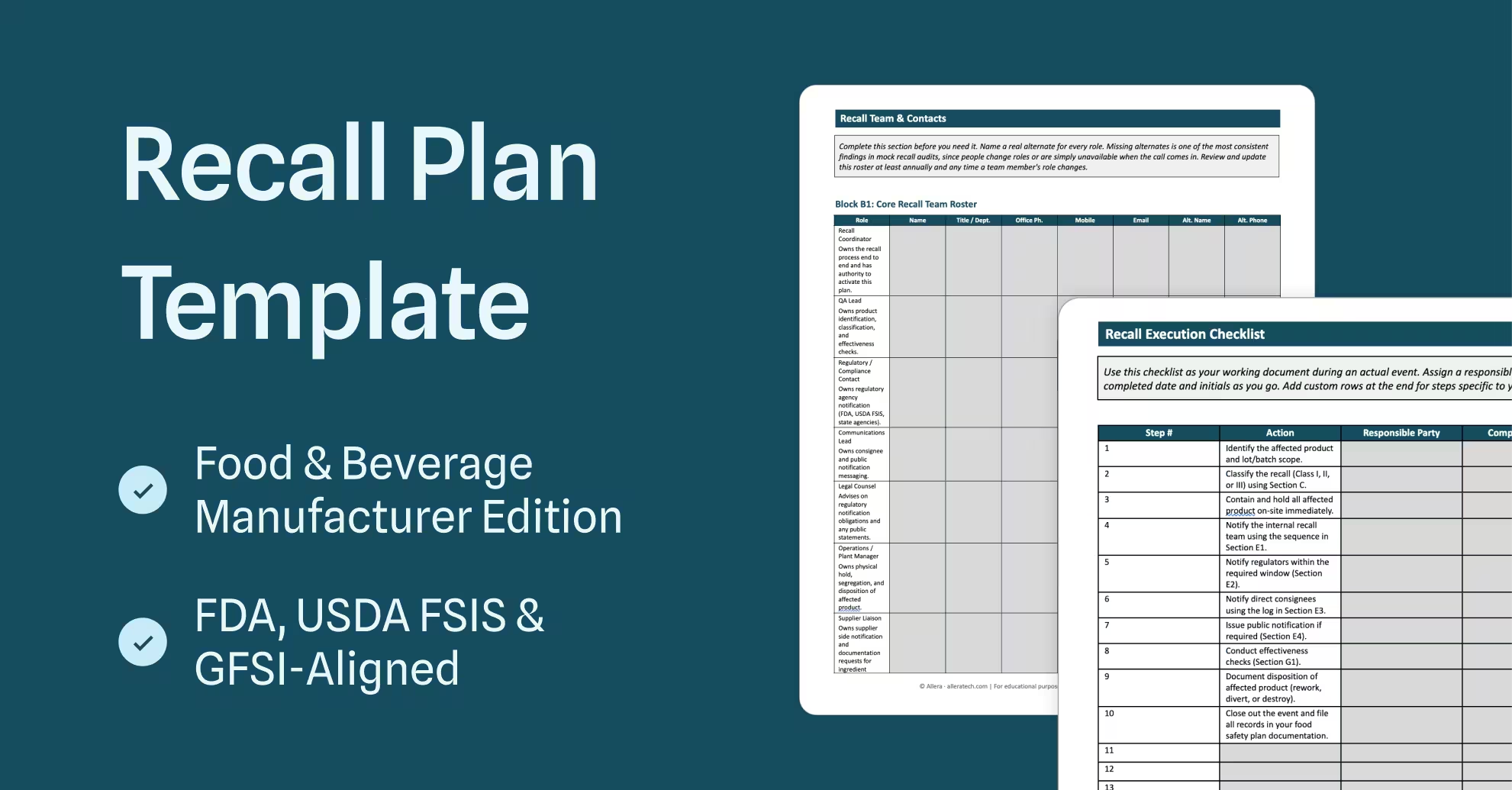
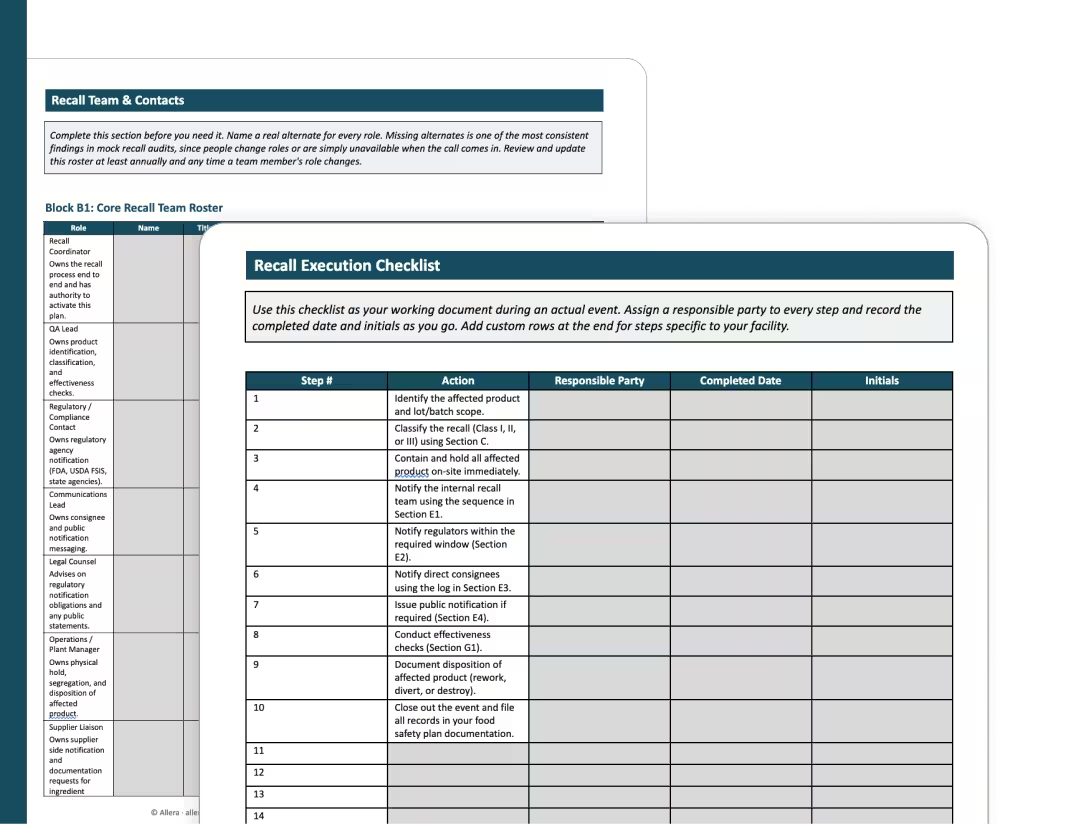
• Recall and traceability readiness
If you want to explore FSMA software options, refer to our full list here: 10 Best FSMA Compliance Software in 2025
Best for: Facilities needing tight alignment with FSMA requirements or preparing for FDA inspections.
SQF Software
SQF software support the specific requirements of SQF Code Edition 9 and Edition 10, including document control, verification logs, supplier programs, internal audits, environmental monitoring, and CAPA workflows. These systems provide structure around the documentation SQF auditors expect.
SQF platforms typically cover:
• SQF-compliant document control
• Internal audit scheduling and execution
• Preventive controls and verification logs
• Supplier approval and risk ranking
• Non-conformance and CAPA management
• Environmental monitoring programs
Best for: Manufacturers using SQF certification or preparing for annual SQF audits.
BRC / BRCGS Audit Software
BRC audit software helps food manufacturers manage the specific requirements of the BRCGS Global Food Safety Standard, including documentation, risk assessments, internal audits, allergen controls, and traceability tests. These systems are designed to standardize workflows, tighten documentation accuracy, and ensure you're fully prepared for announced or unannounced audits.
BRC/BRCGS compliance software typically includes:
• BRCGS-aligned document control
• Risk assessments and hazard management
• Internal audit scheduling and execution
• Allergen management and validation workflows
• Traceability and mock recall tools
• Non-conformance and corrective action tracking
• Supplier approval and risk management
These platforms are especially useful for sites that need strong alignment with BRCGS Issue 9, want to standardize processes across multiple facilities, or need deeper visibility into compliance readiness.
Best for: Manufacturers working under BRCGS certification who require consistent documentation, strong risk assessments, and structured audit-ready workflows.
Industry-Specific Food Safety Software
Some platforms are built specifically for certain segments of the food industry—such as produce, dairy, meat processing, bakery, confectionery, or ready-to-eat foods. These tools focus on the unique regulatory requirements, workflows, hazards, and testing protocols for each operation type, providing deeper coverage than general food safety platforms.
Industry-specific software often includes capabilities such as:
- Environmental monitoring tailored to product type
- Allergen controls mapped to industry risks
- Water and agricultural testing workflows (produce)
- USDA-FSIS compliance modules (meat and poultry)
- Pathogen and microbiological testing management
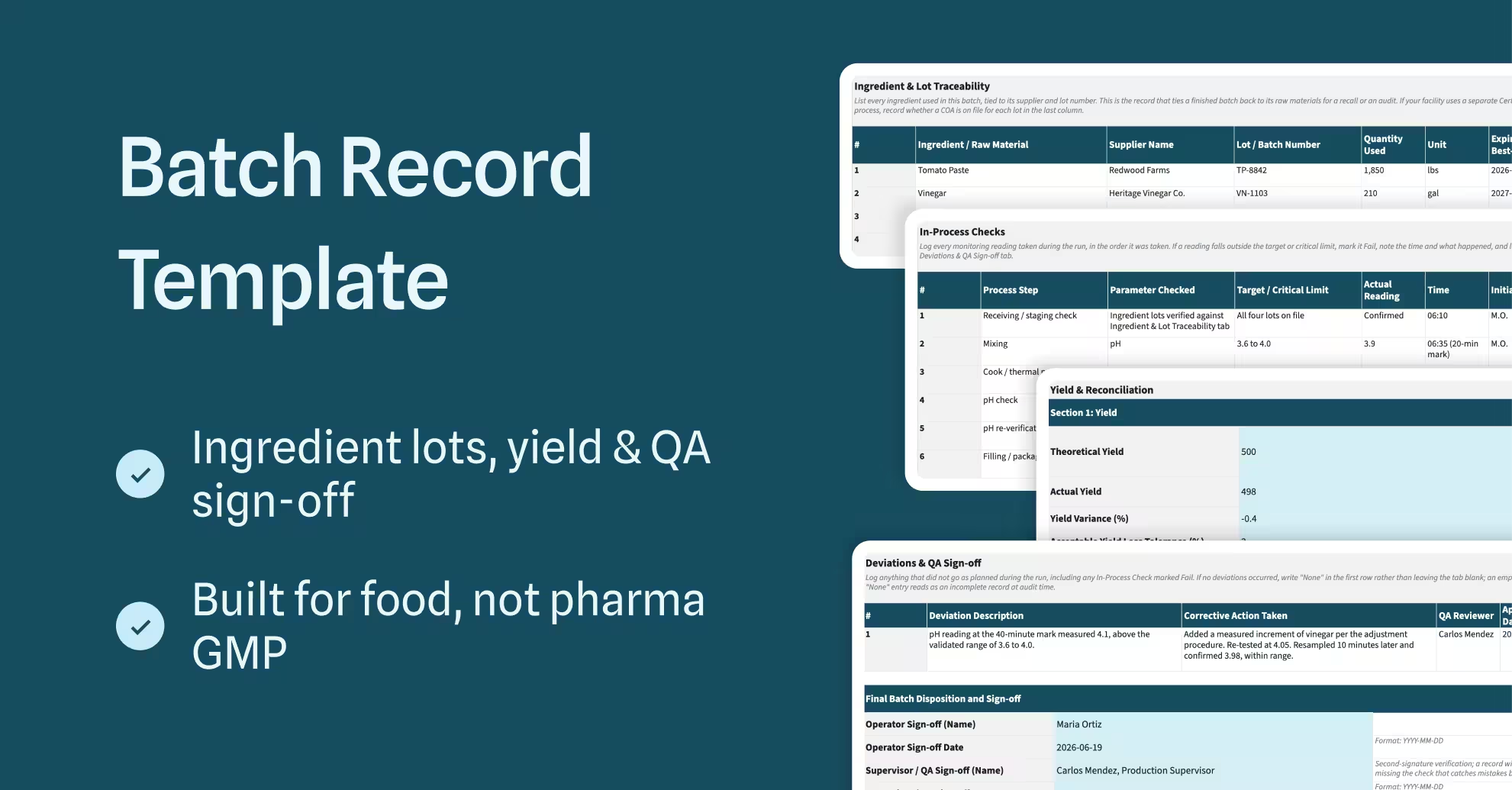
- Batch formulation, recipe management, and ingredient tracking (confectionery, chocolate, bakery)
- Industry-specific CCP/OPRP monitoring
- Labeling, allergen, and packaging validation workflows
Chocolate & Confectionery Manufacturing
Chocolate and confectionery producers face challenges around allergen management, tempering controls, formulation accuracy, and strict traceability of cocoa-based ingredients. Industry-focused tools support recipe control, batch tracking, sanitation workflows, and allergen validations that match the risks in chocolate and confectionery production. If you're evaluating solutions, our best chocolate manufacturing software guide is a helpful place to start.
Meat and Protein Processing
Meat processors operate under USDA oversight and must meet strict pathogen reduction, environmental monitoring, and cold-chain documentation requirements. Tools designed for meat and protein operations typically include advanced lot tracking, robust CCP monitoring, supplier verification, and real-time corrective actions aligned with USDA-FSIS expectations. To help the folks in the meat and poultry industry, we've curated a list of the 5 best meat traceability software. It lists software platforms that are either: specifically for the meat industry, or have all the required capabilities.
Produce and Fresh Foods
Produce operations often require platforms that support agricultural water testing, environmental monitoring, foreign material controls, and supplier verification for farms and growers. These systems help teams meet FDA, FSMA, and retailer requirements for sanitation, traceability, and contamination prevention.
Bakery and Ready-to-Eat Foods
Bakeries and RTE food processors need strong allergen management, sanitation controls, CCP monitoring, and lot traceability for multi-ingredient formulations. Industry-focused tools help maintain consistency across batch processes, manage complex allergen risks, and ensure rapid recall readiness when handling large ingredient inventories.
Why Industry-Specific Tools Matter
While general-purpose platforms can cover the basics of food safety, industry-specific tools are designed for the exact hazard profiles, workflows, and regulatory pressures of your product category. This makes them especially valuable for operations with:
- High-risk ingredients or strict hazard profiles
- USDA or specialized FDA oversight
- Complex batch or formulation requirements
- Heavy environmental monitoring needs
- Retailer-driven compliance expectations
Best for: Highly regulated or specialized sectors—such as meat, produce, confectionery, bakery, dairy, or RTE—where general food safety platforms do not go deep enough into category-specific risks and workflows.
Key Features to Look for in Food Safety Software
Not every platform includes every feature, but understanding what's available helps you build your requirements list.
Digital Forms and Plant-Floor Checklists
Look for customizable forms with validation rules, conditional logic, photo capture, and automatic time stamps. The forms should work offline and sync when connectivity returns—your plant floor probably isn't known for reliable Wi-Fi.
Good form builders let you:
- Set up required fields that can't be skipped
- Define acceptable ranges for measurements
- Trigger automatic corrective actions when checks fail
- Capture photos as evidence
- Work offline and sync later
Your sanitation checklist shouldn't let someone skip a section or enter an out-of-range value without triggering a corrective action.
HACCP and CCP Monitoring
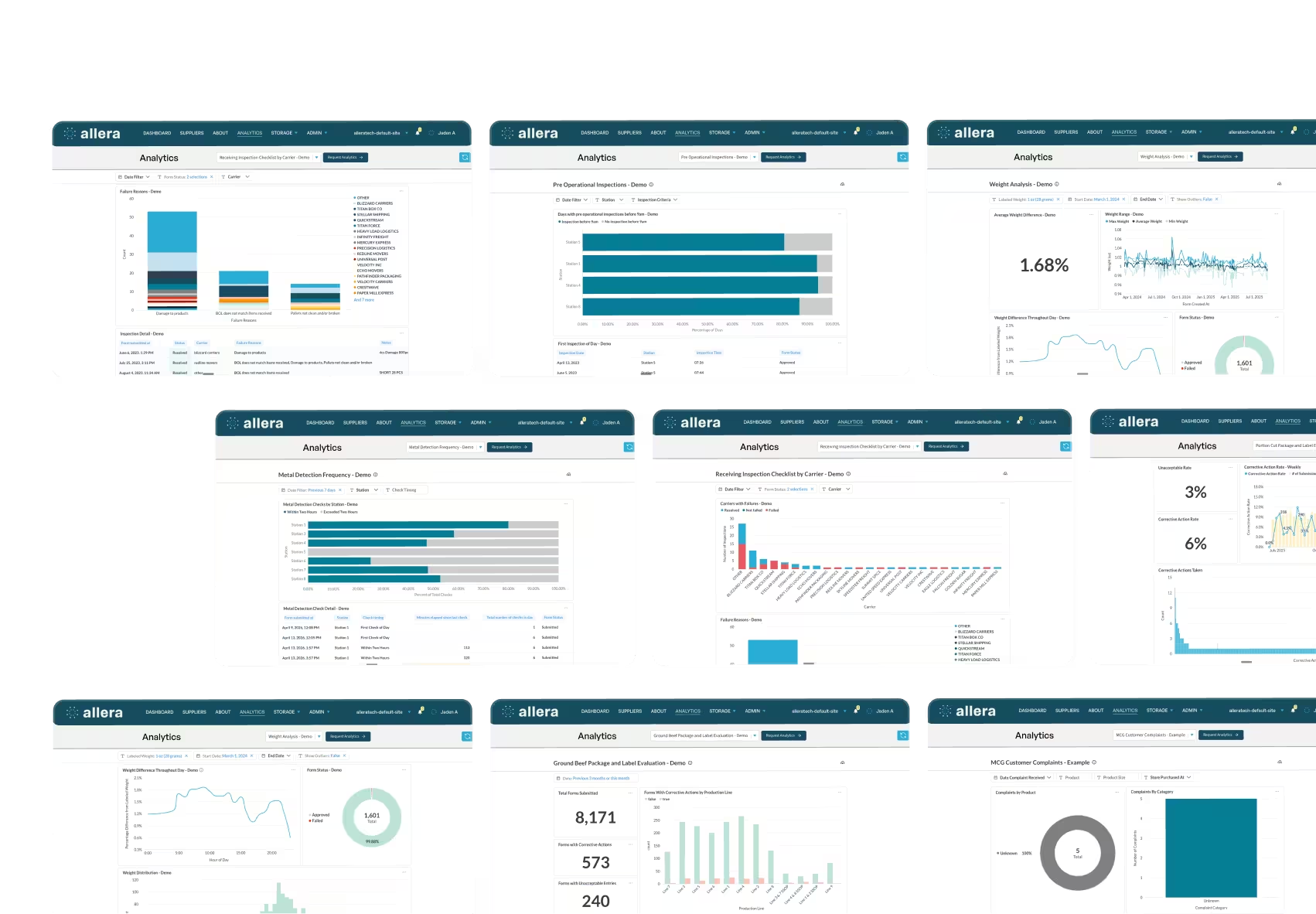
Real-time alerts when critical limits are exceeded, automatic corrective action triggers, and clear escalation paths. The system should make it impossible to ignore a CCP deviation.
Integration with monitoring equipment is a bonus but not always necessary. Many teams successfully monitor CCPs with manual digital entries—the key is having a system that enforces your procedures and creates an audit trail.
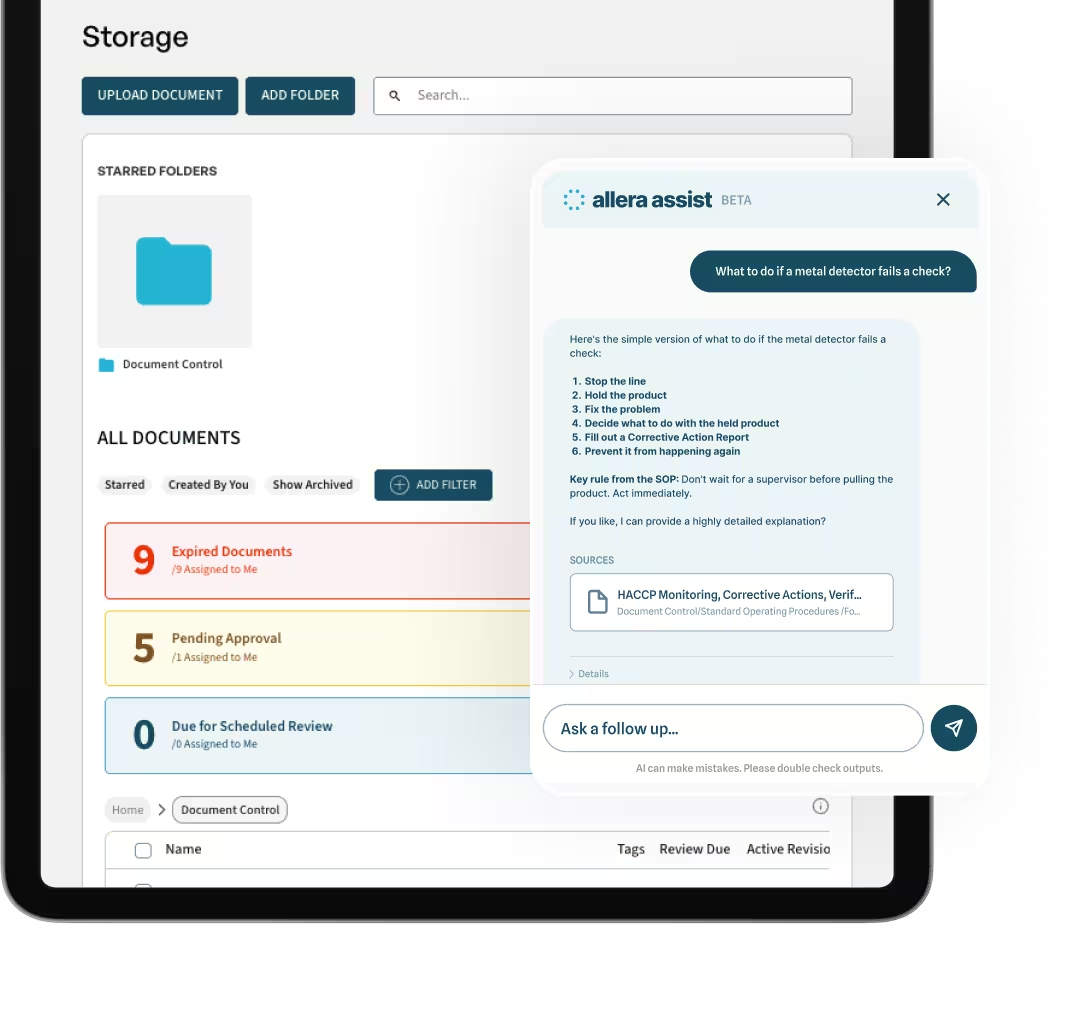
Document Control and SOP Versioning
Approval workflows that route documents to the right people, complete revision histories, and the ability to link SOPs to training records. When someone completes training on a document, that acknowledgment should be tracked and reportable.
You should be able to pull a report showing exactly who has been trained on each SOP version and when—this is a common audit request that's painful without a proper system.
Supplier Management and COA Handling
Automated document requests, expiration alerts at least 30-60 days in advance, and centralized storage where you can find any supplier document in seconds. Bonus points for systems that let suppliers upload documents directly through a portal or magic link.
The best platforms also track supplier performance over time:
- Late or missing documents
- Non-conformances and rejections
- Audit scores and trends
- Response time to document requests
This gives you data to support supplier decisions instead of just gut feeling.
Traceability
Quick lot-level lookups that show you everywhere an ingredient or product has been: which lots you received it in, what you produced with it, and where you shipped it. The system should handle both trace-forward (where did this lot go?) and trace-back (what went into this lot?).
Look for systems that connect receiving, production, and shipping records automatically. Manual traceability exercises are painful enough—your software shouldn't make them harder.
Quality and CAPA Workflows
Structured investigation processes, root-cause analysis tools, and automatic escalation when corrective actions are overdue. The system should guide your team through the investigation process instead of just being a place to document what they already figured out.
Good CAPA systems track trends over time so you can see recurring issues before they become major problems. If the same deviation keeps happening, you need visibility into that pattern.
Audit Preparation and Record Access
Everything should be searchable by date, product, lot code, form type, or facility. During an audit, you need to pull records instantly—not spend 20 minutes figuring out where something is stored.
The ability to generate audit reports automatically is huge. Many systems can create compliance summaries, completed task reports, and training records at the click of a button.
Reports and Dashboards
Real-time visibility into KPIs: completed vs. missed checks, overdue corrective actions, supplier compliance rates, and trending quality issues. Dashboards should be role-specific—plant managers need different data than corporate QA directors.
Good reporting turns compliance from a reactive scramble into proactive management. You should be able to spot problems before they become audit findings.
Why Manufacturers Are Moving Away from Excel and SharePoint
Excel and SharePoint aren't bad tools—they're just not built for food safety compliance. Here's why teams are making the switch.
Reduce Audit and Recall Risk
Automated controls, validation rules, and complete audit trails replace manual processes that depend on people remembering to do things correctly. The CDC estimates that 48 million Americans get sick from foodborne illness every year, resulting in 128,000 hospitalizations and 3,000 deaths. The stakes are too high to rely on manual systems.
Automate QA Work
Notifications, automatic task assignments, and validation checks eliminate the constant follow-up work that eats up your day:
- No more chasing people for overdue corrective actions
- Automatic reminders replace follow-up emails
- Tasks get routed to the right people automatically
- You see what's done and what's overdue at a glance
Your team can focus on actual quality improvement instead of administrative tasks.
Get Oversight Across Multiple Sites
If you're managing more than one facility, you need visibility into what's happening everywhere without flying to each location. Multi-site dashboards show you compliance status, overdue tasks, and trending issues across your entire operation.
Strengthen Supplier Programs
Track expirations, missing documents, and supplier performance in one place. You'll know exactly which suppliers are on top of their documentation and which ones need attention.
Support Faster Traceability
Digital records remove the bottlenecks that slow down traceability exercises. When every step is documented electronically and connected, you can trace in minutes instead of hours or days.
Meet Retailer and Regulatory Demands
Many major retailers now expect digital documentation and fast traceability responses. If you're still on paper, you might be at a competitive disadvantage—or even fail to meet buyer requirements.
How Much Does Food Safety Software Cost?
Pricing varies widely based on what you need and how big your operation is.
Common Pricing Models
- Per facility: You pay for each location using the system
- Per module: Base platform plus additional costs for specific features like supplier management or traceability
- Per user: Based on the number of people who need access
- Flat subscription: Annual or monthly fee regardless of users (less common)
What Impacts Your Price
Number of facilities: More locations means higher cost, though many vendors offer volume discounts.
Features and modules: A basic digital forms tool costs less than a comprehensive platform with supplier management, traceability, and CAPA workflows.
Training and implementation: Some vendors include onboarding; others charge separately for training, setup, and data migration.
Support requirements: Self-service support is cheaper than dedicated account management or 24/7 phone support.
General Price Ranges
Small operations (1-2 facilities, basic features): $300–$1,500/month
Mid-market manufacturers (multiple sites, comprehensive features): $1,500–$5,000/month
Enterprise operations (many facilities, advanced features, dedicated support): $5,000–$25,000+/month
These are rough estimates—actual pricing depends on your specific needs. Most vendors will work with you to build a package that fits your budget and requirements.
What to Expect During Implementation
Setup Timeline
Most systems onboard in 4–12 weeks depending on complexity. Simple digital forms tools can go live in a few weeks. Comprehensive platforms with extensive data migration and customization take longer.
Your timeline depends on how much historical data you're migrating, how many custom forms you need built, and how many facilities you're rolling out to at once.
Data Migration
You'll move existing SOPs, forms, supplier records, HACCP plans, and potentially historical logs into the new system. Good vendors help with this—don't try to do it all yourself.
Prioritize what actually needs to be migrated. You probably don't need ten years of old sanitation logs, but you do need current SOPs and active supplier documents.
Training and Adoption
Plan for hands-on training with your team: plant-floor staff, QA personnel, management, and anyone else who'll use the system. Role-specific training works better than generic overviews.
The biggest implementation risk isn't technical—it's adoption. If your team doesn't use the system consistently, you won't get the benefits. Build in time for practice and questions.
IT and Technical Requirements
Most modern platforms are cloud-based and only require a web browser. You'll need decent internet connectivity, but you probably won't need new servers or complex IT infrastructure.
Mobile access is critical for plant-floor use. Make sure the platform works well on tablets or phones—that's where most of your data entry will happen.
Choosing the Right Food Safety Software
Start by identifying your biggest pain points. Is it supplier management? Traceability? Audit preparation? Digital forms? Your priorities should drive your platform decision.
Map out your must-have features versus nice-to-have features:
- Must-have: Core capabilities you can't operate without
- Nice-to-have: Features that would make life easier but aren't critical
- Don't need: Expensive capabilities you won't actually use
Don't pay for capabilities you won't use, but don't shortchange yourself on critical functionality either.
Get demos from multiple vendors and involve the people who'll actually use the system daily. Your plant-floor team's input matters as much as corporate QA's opinion.
Ask about implementation timelines, training included, ongoing support, and how pricing scales as you grow. A cheap platform that nickels-and-dimes you for every add-on might cost more than a comprehensive system with transparent pricing.
Check references from similar operations. A platform that works great for a small bakery might not fit a multi-site produce operation.
Finally, think about where you're headed, not just where you are now:
- Will this system handle additional facilities?
- Can it grow as you add products or complexity?
- Does it adapt to new regulatory requirements?
Switching platforms later is painful—pick something with room to grow.
If you've made it this far, you're clearly committed to strengthening your FSQA program — and we genuinely respect that. At Allera, we believe food safety and quality professionals deserve better than the outdated, bloated systems the industry has been forced to rely on. Too many platforms charge premium enterprise prices for software that's slow to implement and difficult for operators — especially elderly, disabled, or non-native speakers — to use in real workflows.
Allera was built to change that. Our goal is simple: make compliance software easy, accessible, and fast to implement. Most teams are fully operational in under a month — not the years-long rollouts common with legacy tools — so you can focus on running a safer, more efficient operation.
If you want to see how Allera can work across your facility, talk with our team above, and we'll show you exactly how it fits into your processes!
Additionally, read our case study on Allera helped EdenGreen saved 75% in SQF audit prep time.
Conclusion
Food safety software isn't optional anymore for manufacturers who want to stay compliant and competitive. FSMA keeps expanding, retailers keep demanding more, and managing multiple sites with paper or spreadsheets creates too much risk.
The right platform reduces audit stress, automates tedious QA work, and gives you the visibility you need to actually manage your food safety program instead of constantly scrambling to keep up.
Whether you choose a comprehensive system or start with digital forms and build from there, moving away from manual processes is one of the smartest investments you can make in your operation's future.
For teams focused on vendor compliance, our guide to the 7 best supplier quality management tools for FSQA covers the leading options.
FAQs
.avif)
.avif)
.avif)
.avif)
%20(1).avif)
.avif)
.avif)

%20(1).png)

.avif)

.avif)